5 Startling Vertical Gardening Flaws That Risk Your Oasis
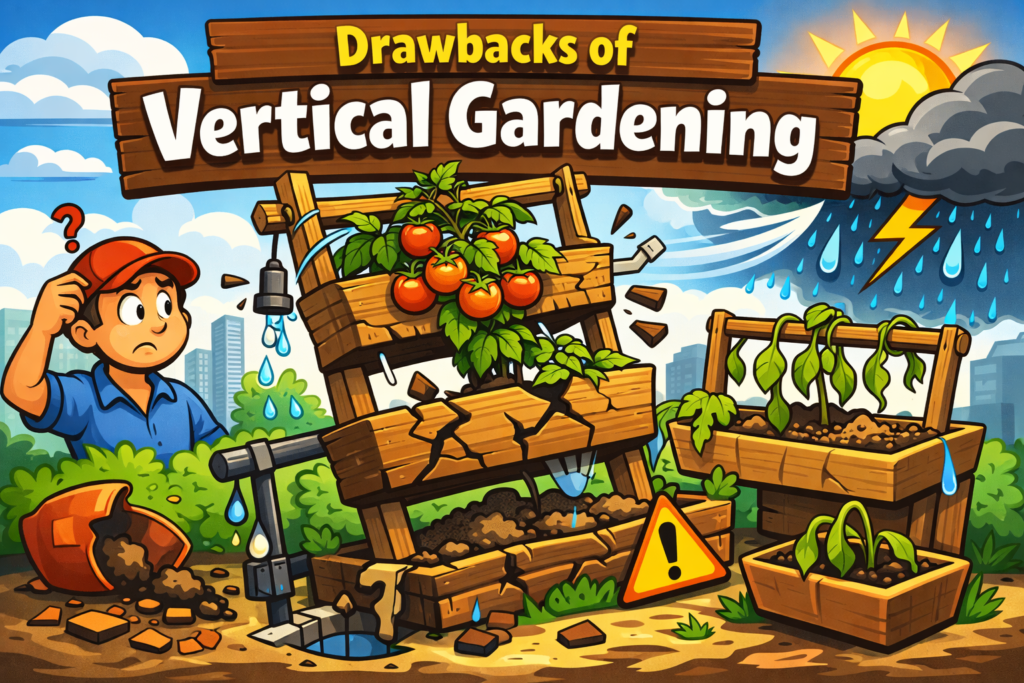
Due to rapid urbanization, vertical gardening has become a popular trend, especially for people with limited space. It looks modern and efficient, but like any gardening method, it comes with its own set of drawbacks. Before deciding if it’s right for you, it’s important to understand these limitations.
Complexity
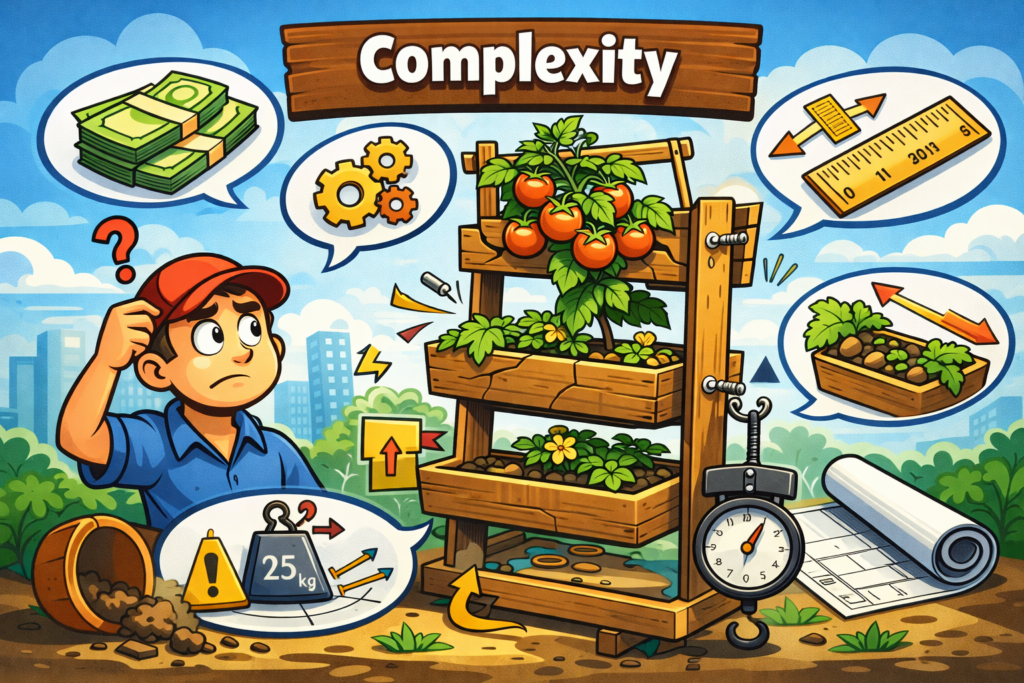
Compared to traditional gardening, vertical gardening is more complicated. You need to think about things like weight, available space, structural strength, and budget. These are issues you usually don’t worry about in ground gardening. Planning mistakes can easily lead to poor plant growth or even damage to your setup.
Limited Plant Choices
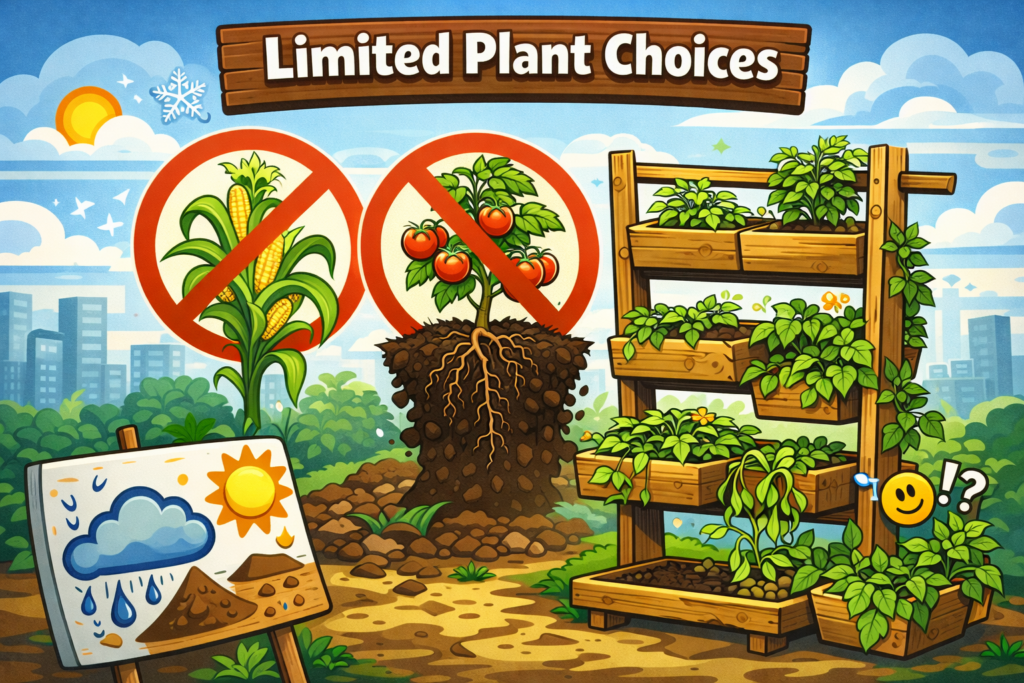
In a traditional garden, your plant options are mostly limited by climate and soil. Vertical gardens add more restrictions. Large plants or those with deep root systems don’t work well in vertical setups. You also need to consider whether a plant is suitable for the type of planter you’re using. Choosing the wrong plant can lead to weak growth or overcrowding.
Risk From Increasing Weight
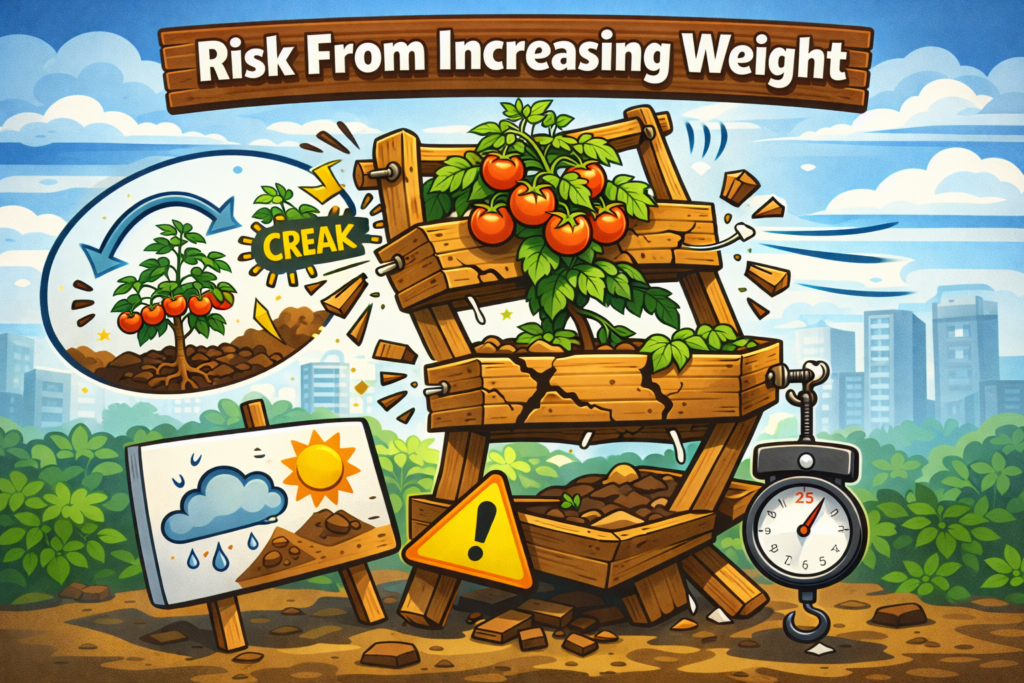
As plants grow, they become heavier, especially when they start producing fruit. Over time, this added weight can strain the structure of a vertical garden. If the frame isn’t strong enough, it may bend or even collapse. Regularly checking for cracks, bends, or loose joints is essential to avoid accidents.
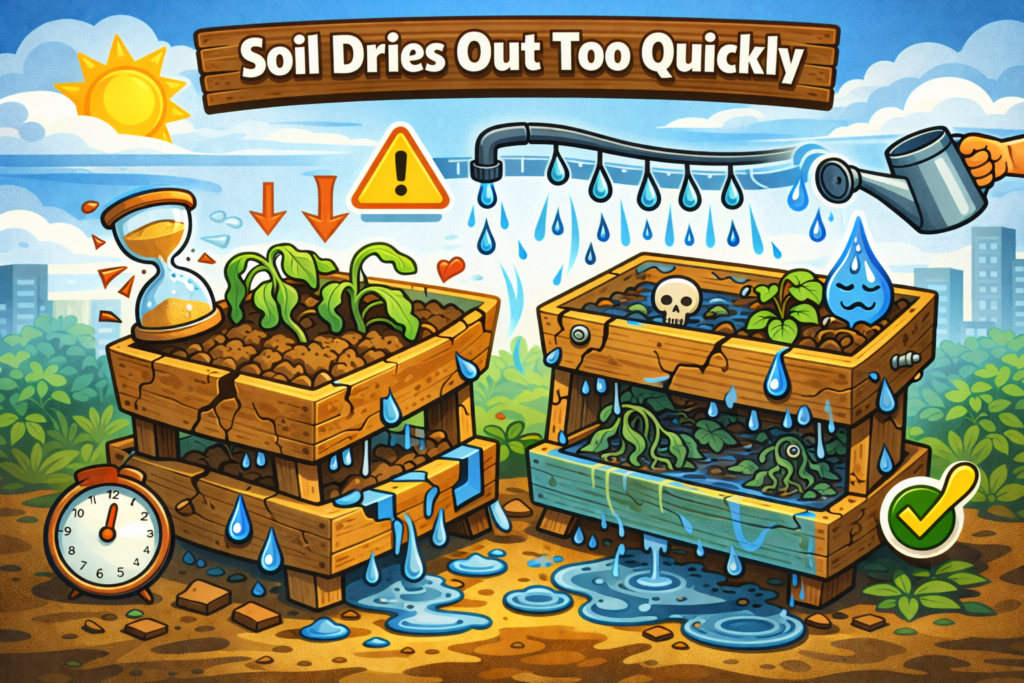
Soil Dries Out Too Quickly
This is one of the most common problems in vertical gardening. Because containers usually hold less soil, water drains through very quickly, giving plants less time to absorb moisture. On the other hand, sealed containers can trap water and cause root rot. Manual watering requires extra care and attention.
Many people solve this by installing a drip irrigation system, but for beginners, setting it up correctly can be challenging.
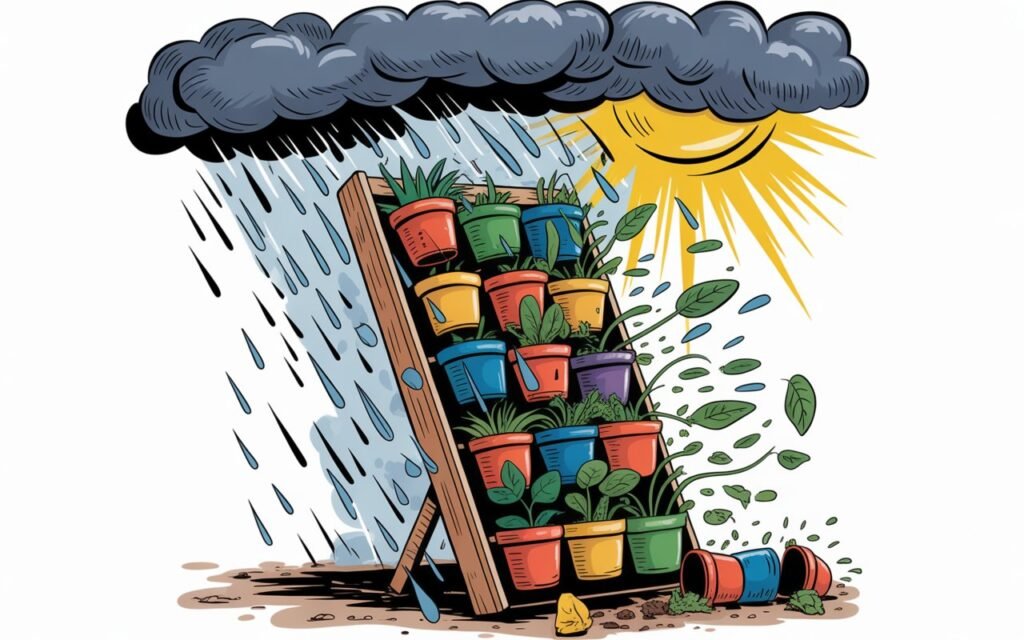
Fragile in Outdoor Conditions
Vertical gardens work best indoors or in sheltered areas. Outdoor setups are more vulnerable to harsh weather like strong winds, heavy rain, or extreme heat. Without a sturdy structure, plants and containers can get damaged easily. If you plan to keep one outdoors, investing in a strong and weather-resistant frame is necessary.