
Vertical gardening is transforming how we grow plants in cities, balconies, rooftops, and even indoor walls. By growing upward instead of outward, we save space—but vertical systems come with one major challenge: soil.
Unlike traditional garden beds, vertical gardens rely on containers, pockets, or towers. This changes how water, air, and nutrients behave around plant roots. Choosing the right soil (or growing medium) is the single most important factor for success.
In this guide, we’ll break down what makes the best soils for vertical gardening, explain the science in simple terms, and recommend proven soil mixes that work.
Why Vertical Gardening Needs Special Soil
In ground soil, excess water drains downward through deep layers. In vertical systems, soil is trapped in shallow containers or pockets. This creates what scientists call the “container soil effect.”
The Perched Water Table (The Hidden Problem)
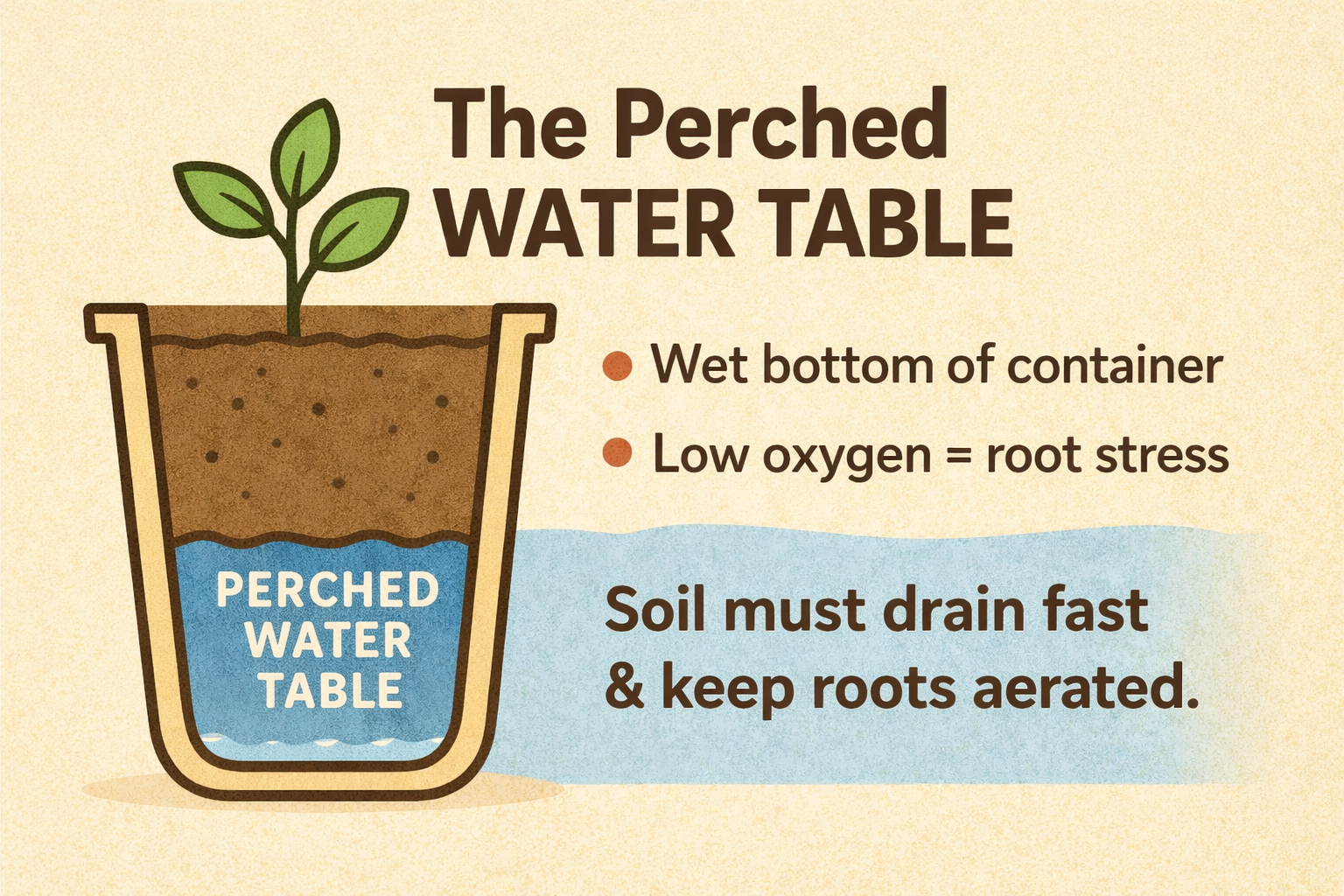
No matter how good the soil is, water always collects at the bottom of a container, forming a perched water table—a permanently wet zone.
Too much water = low oxygen
Low oxygen = root stress, disease, and slow growth
Good vertical gardening soil must:
Drain quickly
Hold enough moisture for plants
Stay light so it doesn’t overload walls or frames
Allow air to reach roots
Understanding Soil Pores (Air & Water Balance)
Soil isn’t solid—it’s full of tiny spaces called pores. The size of these pores determines whether roots get air or drown.
Pore Types That Matter
Macropores (large pores):
Let air move freely and drain excess waterMesopores (medium pores):
Hold water plants can easily useMicropores (tiny pores):
Hold water tightly, often unavailable to roots
💡 Best vertical soils keep 15–25% air space even after watering.
Heavy garden soil or clay has too many tiny pores, which raises the water level and suffocates roots—this is why regular soil fails in vertical gardens.
Lightweight Matters: Structural Safety
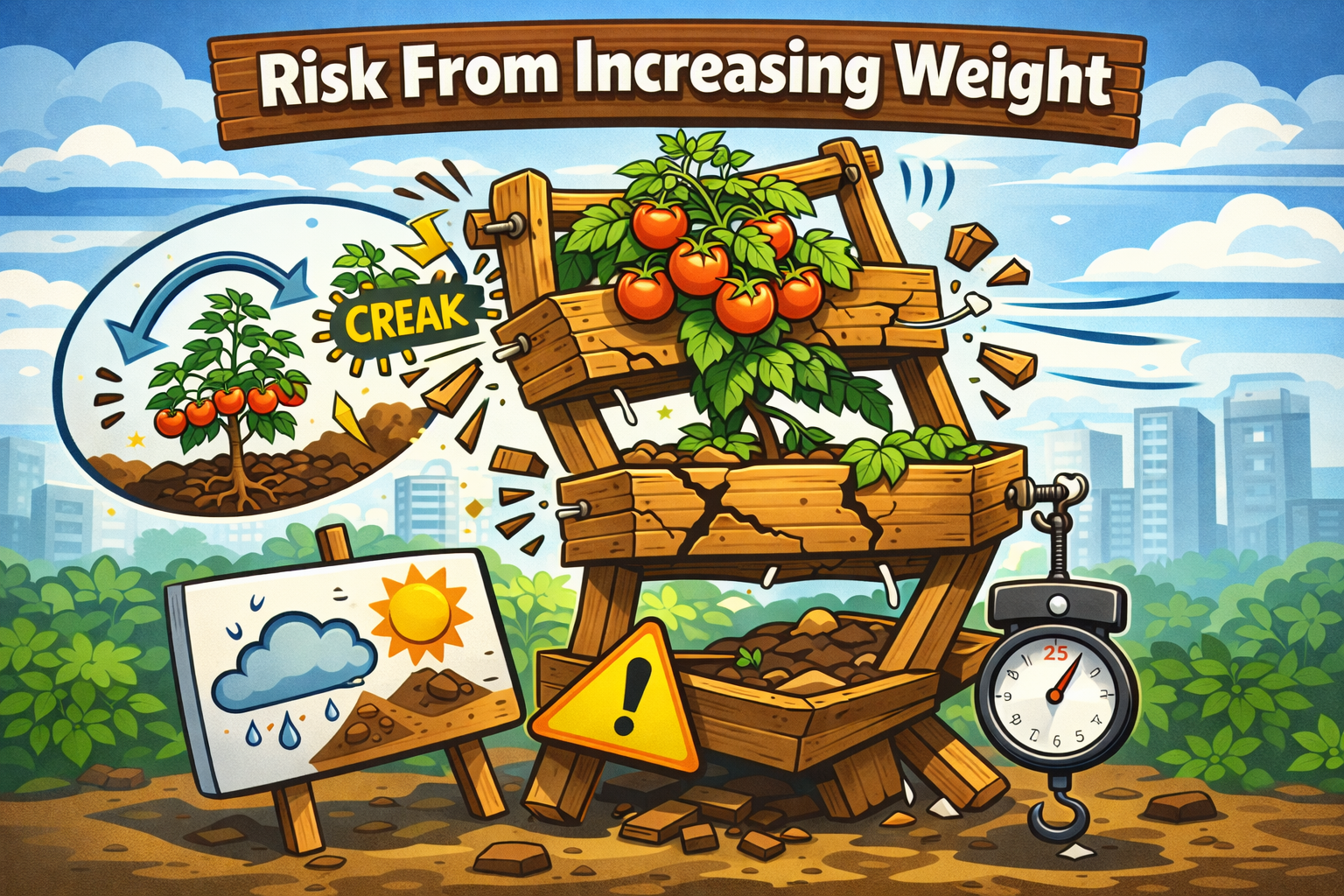
Vertical gardens aren’t just about plants—they’re also about buildings.
When soil gets wet, it becomes heavy. For walls, balconies, and towers, lightweight soil is essential.
Ideal Soil Traits for Vertical Systems
Low bulk density (lightweight when dry)
Controlled weight when saturated
Resistant to compaction over time
Common lightweight materials include:
Perlite – extremely light, excellent drainage
Coconut coir – strong water-holding and wicking
Peat moss – high moisture retention (less sustainable)
Engineered aggregates – designed for strength and airflow
Best Soil Components for Vertical Gardening
1. Coconut Coir (Peat Alternative)
Excellent water retention
Re-wets easily after drying
Strong capillary action (moves water upward)
More sustainable than peat
Best for: Towers, hydroponic walls, fabric systems
2. Perlite
Extremely lightweight
Creates large air pockets
Prevents waterlogging
Limitation: Holds no nutrients
Solution: Always mix with coir or composted material
3. Biochar (Advanced Upgrade)
Improves water retention
Stores nutrients
Stabilizes pH
Reduces soil weight
Modern treated biochar can dramatically increase nutrient efficiency in vertical systems.
4. Vermiculite
Holds potassium and magnesium
Improves nutrient buffering
Adds moisture retention
Best used in small amounts to avoid excessive wetness.
5. Rice Hulls (Sustainable Option)
Renewable alternative to perlite
Improves aeration
Lightweight
⚠️ Can dry out quickly on the surface and slowly decompose over time.
6. Jute Fiber (Emerging Material)
Improves oxygen flow to roots
Strengthens soil structure
Biodegradable and eco-friendly
Often used in:
Green walls
Microgreens
Outdoor vertical systems exposed to wind and rain
Best Soil Mixes for Vertical Gardening
Here are proven blends that balance air, water, and nutrients:
✅ Coir : Perlite (50:50)
Excellent drainage
Strong moisture movement
Perfect for vertical towers and hydroponic systems
✅ Peat Moss : Perlite (80:20)
High water-holding capacity
Great for hot or dry climates
✅ Pine Bark : Coffee Chaff (70:30)
Superior airflow
Enhances flavor and sugar content
Ideal for crops sensitive to wet roots
✅ Coir : Perlite : Biochar (40:40:20)
Long-term stability
Reduced fertilizer loss
Excellent for intensive vertical gardens
Nutrients, pH, and Root Health
Cation Exchange Capacity (CEC)
CEC measures how well soil holds nutrients.
Too low → nutrients wash away quickly
Ideal range for vertical gardens: 6–15 meq/100 cc
Coir, peat, vermiculite, biochar, and zeolites improve CEC.
Ideal pH Range
Most vertical garden plants thrive at:
pH 5.4 – 6.6
This keeps nutrients like iron, calcium, and magnesium available.
Oxygen: The Most Overlooked Factor
Roots need oxygen to produce energy. Without it:
Growth slows
Disease risk increases
Plants become weak
Well-aerated soil:
Encourages healthy white roots
Improves drought tolerance
Boosts yields
In warm climates, oxygen levels drop faster—good soil structure becomes even more critical.
Irrigation Tips for Vertical Gardens
Because soil can be too wet at the bottom and too dry at the top, watering style matters.
Best Practice
Frequent, low-volume irrigation
Avoid flooding the system
Let capillary action do the work
Occasionally flush with clean water to prevent salt buildup.
Final Thoughts: The Best Soil Is Engineered, Not Natural
The biggest mistake in vertical gardening is using regular garden soil.
Vertical gardens need engineered, soilless mixes that:
Drain fast
Stay light
Hold nutrients
Deliver oxygen to roots
By combining materials like coconut coir, perlite, biochar, and sustainable fibers, you can create a high-performing soil that supports healthy plants—even on walls.
When it comes to vertical gardening, remember:
Container soils are different—and success starts from the roots up.