
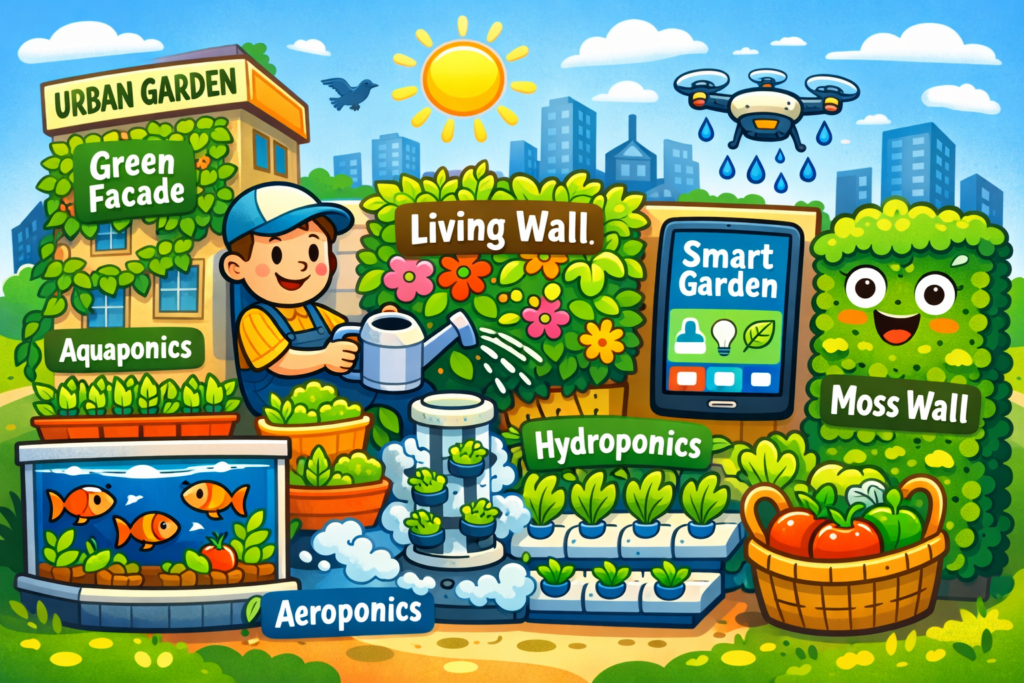
Cities aren’t just growing; they’re reaching for the sky. As we trade open fields for high-rises, our gardens have had to get a little creative. Since there’s no room left on the ground, we’ve started looking at our walls.
Vertical gardening isn’t just a trendy Pinterest aesthetic—it’s a practical way to bring life back into the “concrete jungle.” These living systems cool our streets, scrub the air clean, and, honestly, they just make us feel better. But before you start nailing pots to your siding, you should know that not all vertical gardens are built the same.
From low-maintenance climbers to high-tech hydroponics, here is a breakdown of how these gardens actually work.
1. Green Façades: Letting Plants Climb Naturally
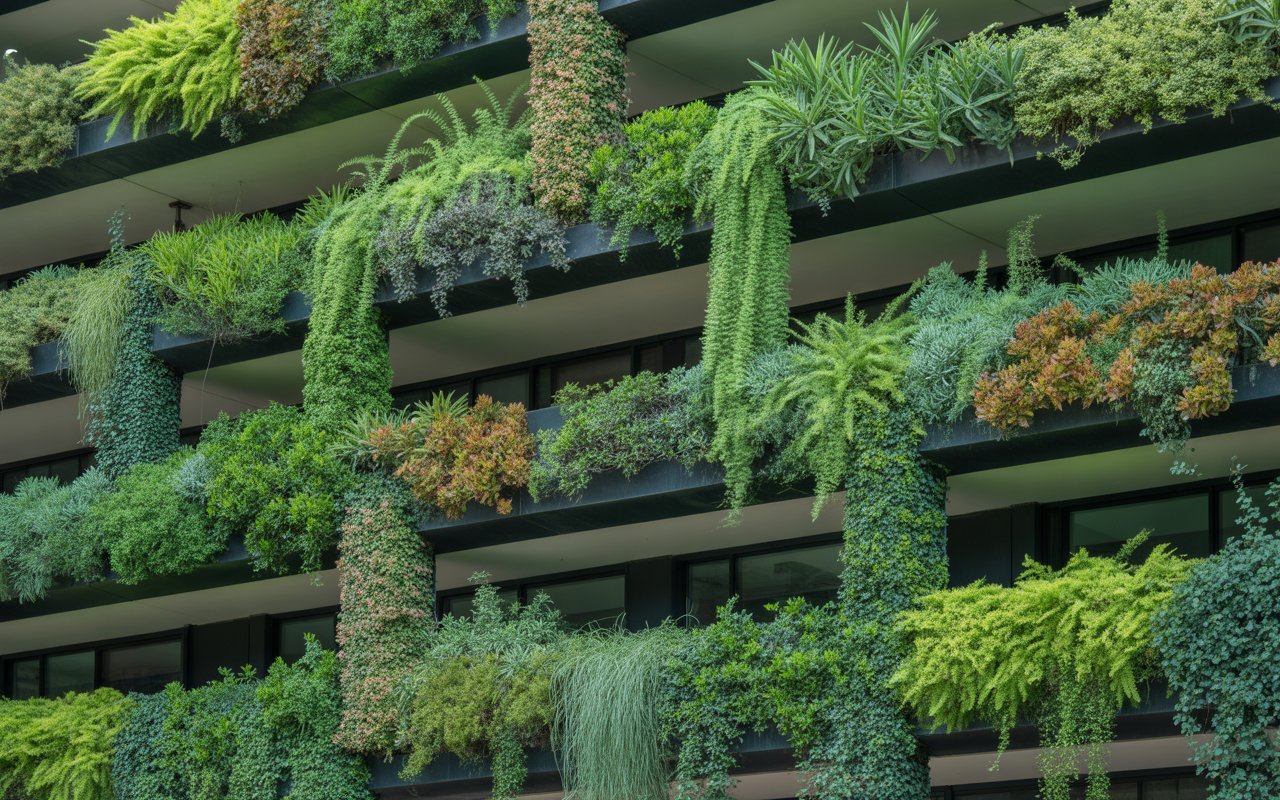
If you love a classic look and don’t want to break the bank, green façades are your best friend. This is the most traditional way to go vertical. Instead of building a complex machine, you’re simply giving plants the room to do what they do best: climb.
Direct Green Façades: This is the “old school” method. You plant vines in the ground or a large container, and they attach themselves directly to the wall. It looks stunning, but you have to be patient. It takes time for nature to cover a building, and you need to pick plants that won’t damage your brickwork.
Indirect Green Façades: This is a smarter, modern twist. You install a support system—like a mesh, cable, or trellis—slightly away from the wall. This gap allows air to flow, protects your home from moisture, and gives you more control over where the plants go.
The Bottom Line: These are perfect for beginners who want long-term energy savings and a natural look without a massive price tag.
2. Living Walls: Gardening Becomes Architecture
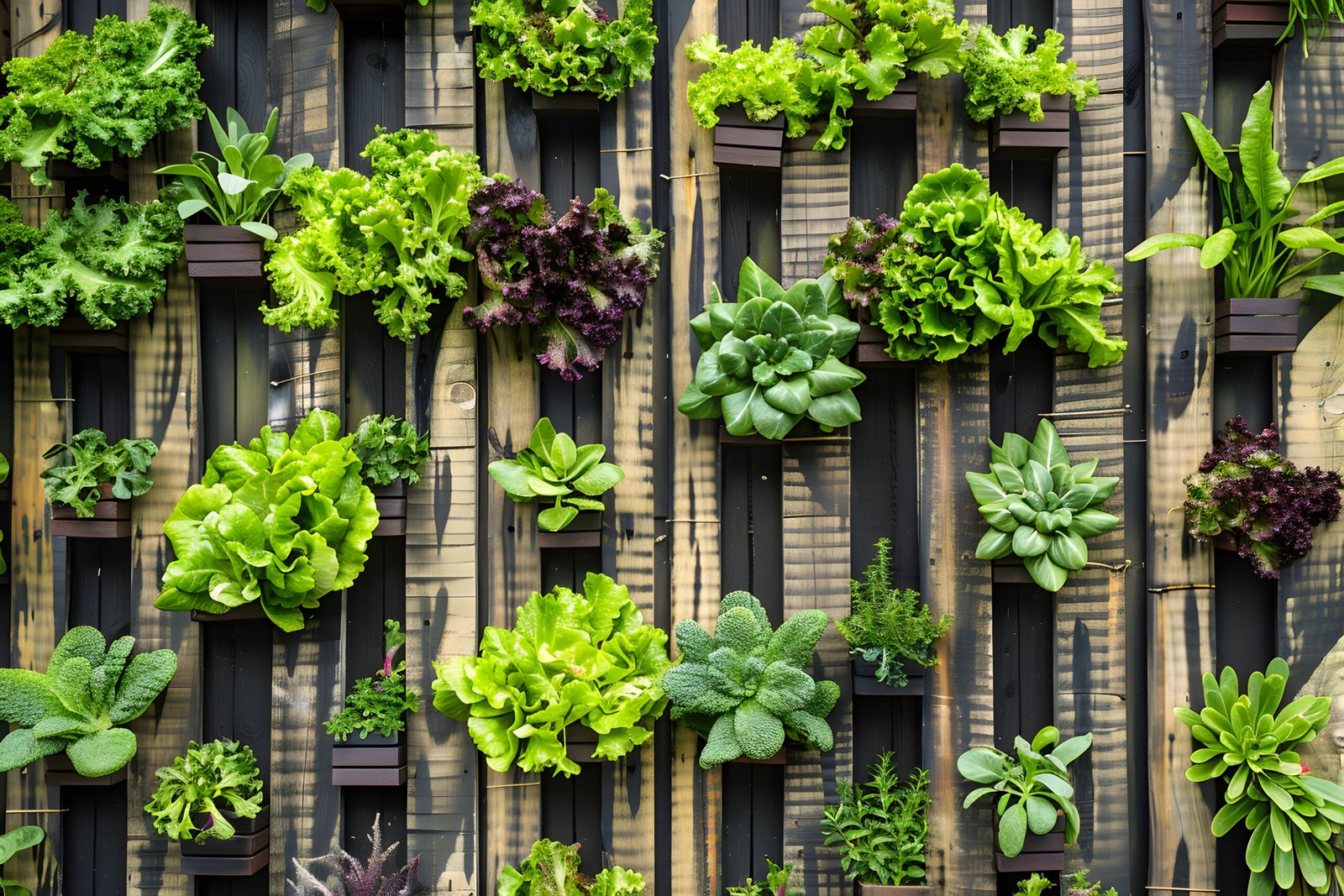
While a façade grows toward a wall, a living wall grows on it. These systems are basically “living wallpaper.” They are more expensive and complex, but the visual impact is unbeatable.
Modular Living Walls: These use pre-made panels filled with soil or growing media. You can think of them like Lego blocks of greenery. They are often grown in a nursery first, so when they’re installed, you get an “instant forest” look.
Hydroponic Living Walls: These are for the tech-lovers. Instead of heavy soil, these walls use water-based systems. The plants live in felt or rock wool, and nutrients are pumped through automatically. They grow fast and weigh very little, but they do require a bit of professional upkeep.
Verdict: Choose a living wall if you want a show-stopping design and have the budget to maintain it.
3. Soil-Less Vertical Systems: Growing Without Soil
As we move into the future, we’ve realized that soil can be heavy, messy, and a bit of a hassle in a vertical setting. That’s why soil-less systems have become a game-changer for urban farming.
Hydroponic Systems
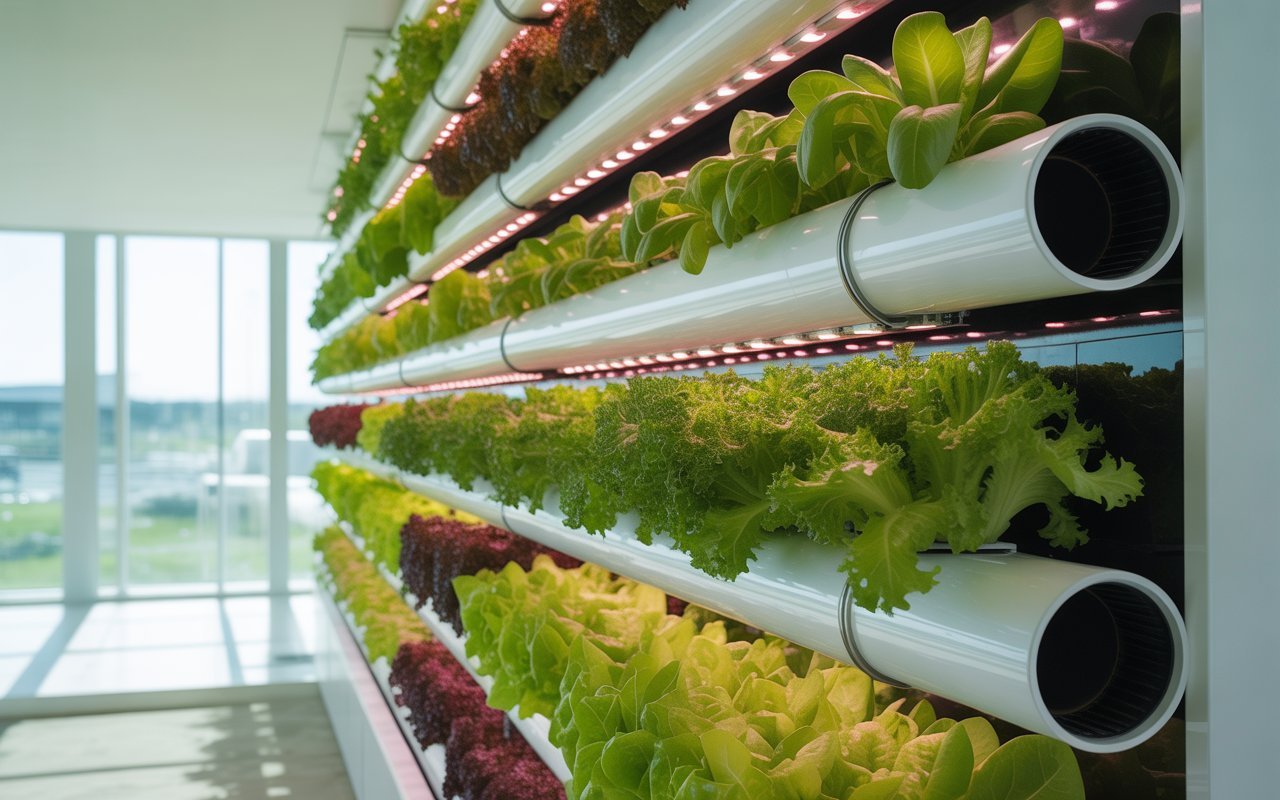
By delivering a precisely balanced nutrient solution directly through water, these systems use up to 90% less water than traditional soil-based gardening. Because the water is often recirculated in a closed loop, almost none of it goes to waste. Furthermore, the absence of soil eliminates the risk of soil-borne diseases and pests, meaning you don’t have to worry about the “bugs in the dirt” that often plague traditional gardeners. It’s a cleaner, faster, and much more efficient way to grow.
Aeroponic Systems
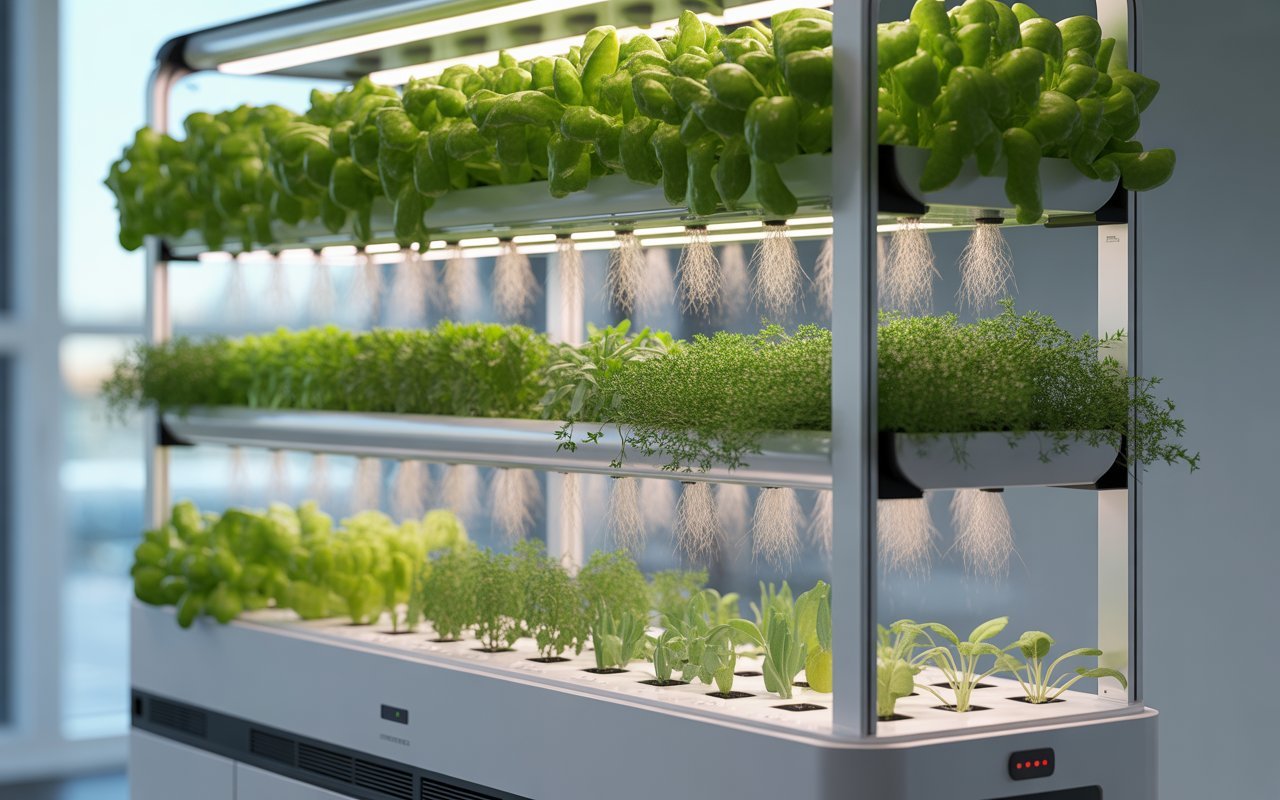
This sounds like science fiction. Roots hang in the air and get sprayed with a nutrient-rich mist. Because the roots get so much oxygen, the plants grow incredibly fast. However, if the power goes out, the plants can dry out quickly, so you have to stay on top of it.
Aquaponic Systems
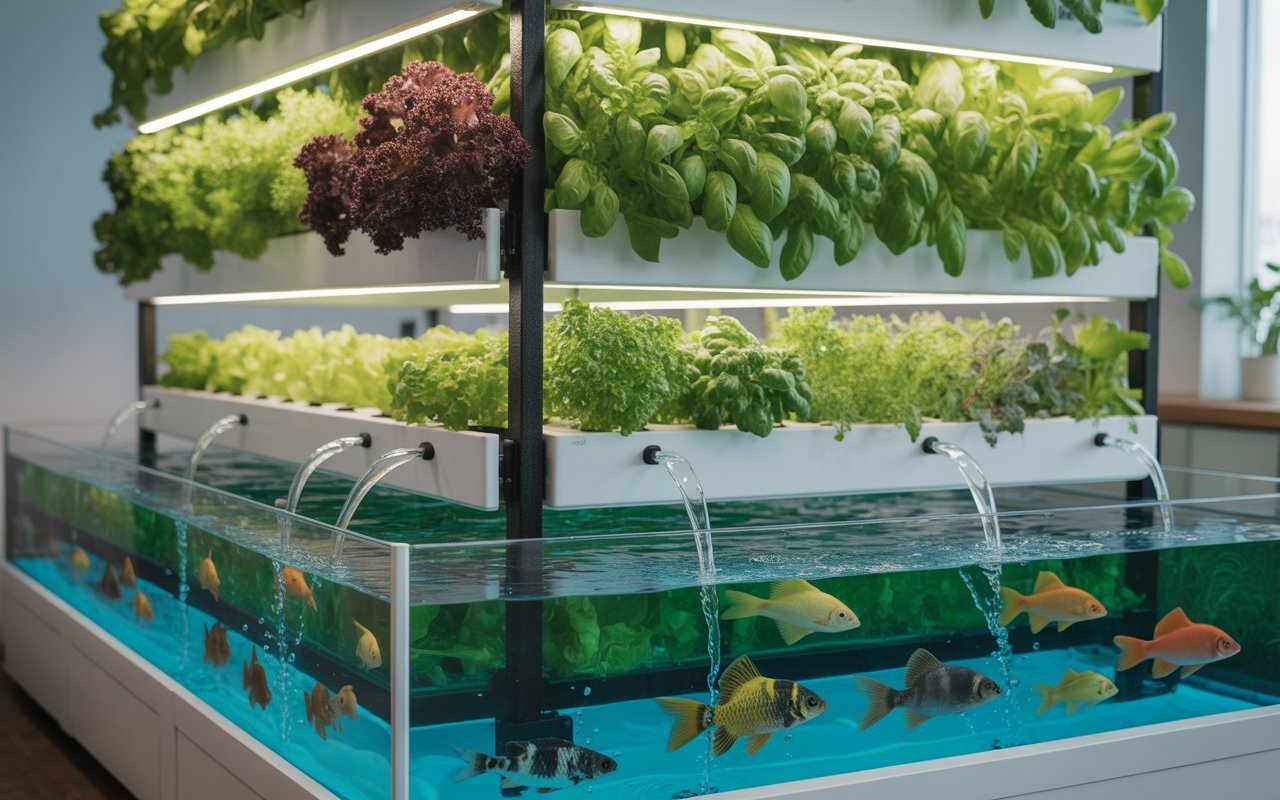
This is a beautiful “closed-loop” system. You raise fish in a tank, and their waste provides the food for the plants. In return, the plants clean the water for the fish. It’s a tiny ecosystem right in your home.
Conclusion: If you want to grow your own salad greens in a small apartment, soil-less is the way to go.
4. Moss Walls: Vertical Gardening Without Roots
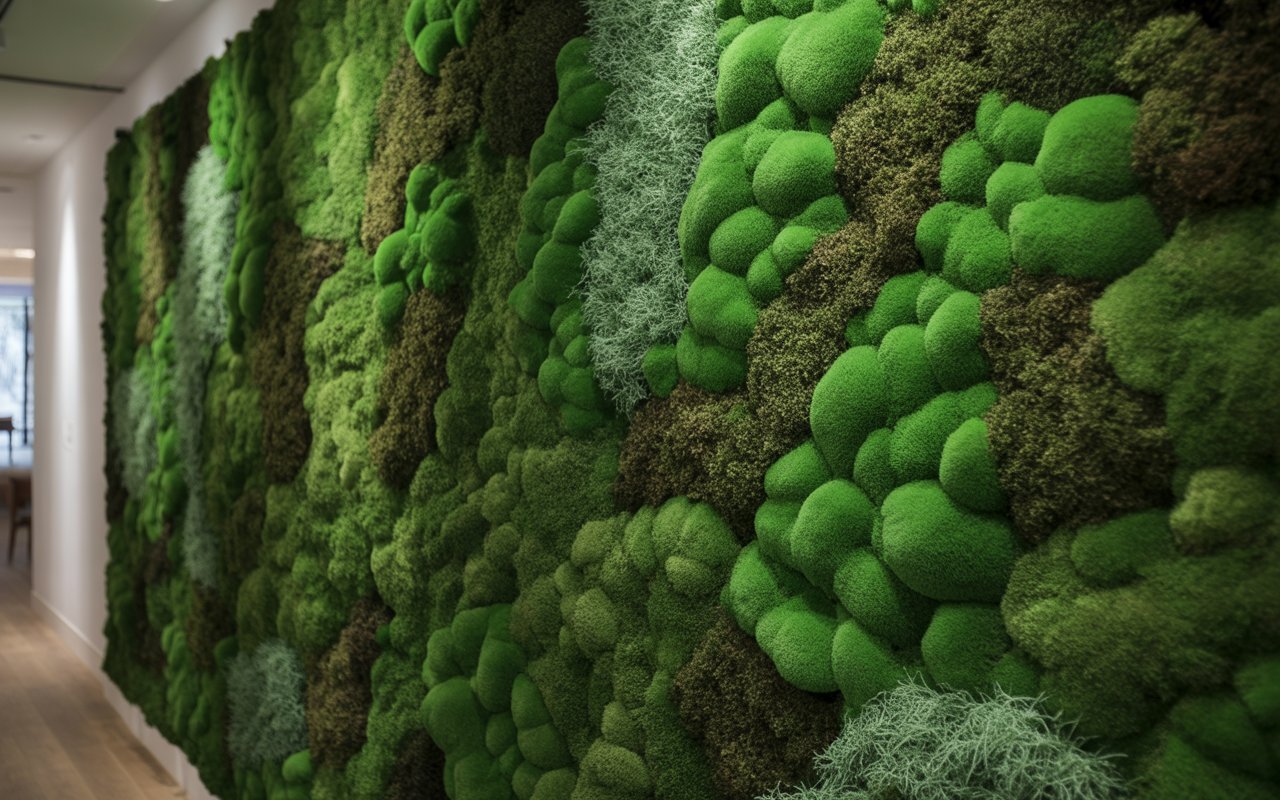
Believe it or not, some of the most effective vertical gardens don’t even have roots. Moss walls absorb everything they need—including moisture and nutrients—directly from the air.
They are incredible at filtering pollution and dampening noise. In fact, a single moss installation can sometimes clean the air as well as dozens of trees. They are perfect for indoor spaces where you want a “zen” vibe without the watering schedule.
5. Smart & Automated Vertical Gardens
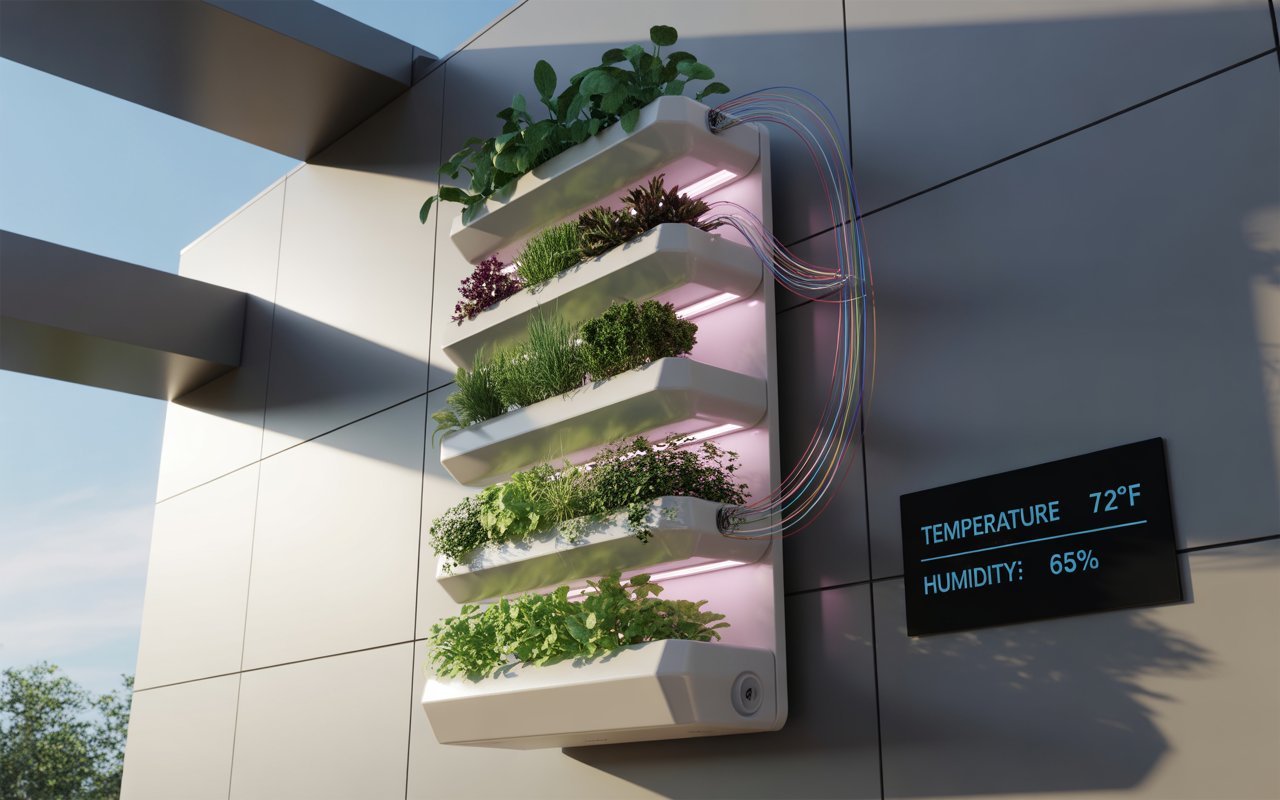
In recent years, vertical gardening has gone high-tech. We now have systems with sensors, AI, and apps that tell you exactly when your plants need a drink.
While this is great for scaling up big urban projects, I’ll be honest with you—it can feel a bit like “overkill” for the hobbyist. As an experienced gardener, I think the magic is in the dirt (or the mist). Tending to your plants and harvesting by hand is part of the joy. If an app does everything for you, it feels more like home decor than a hobby.
Final Thoughts: Choosing the Right Type
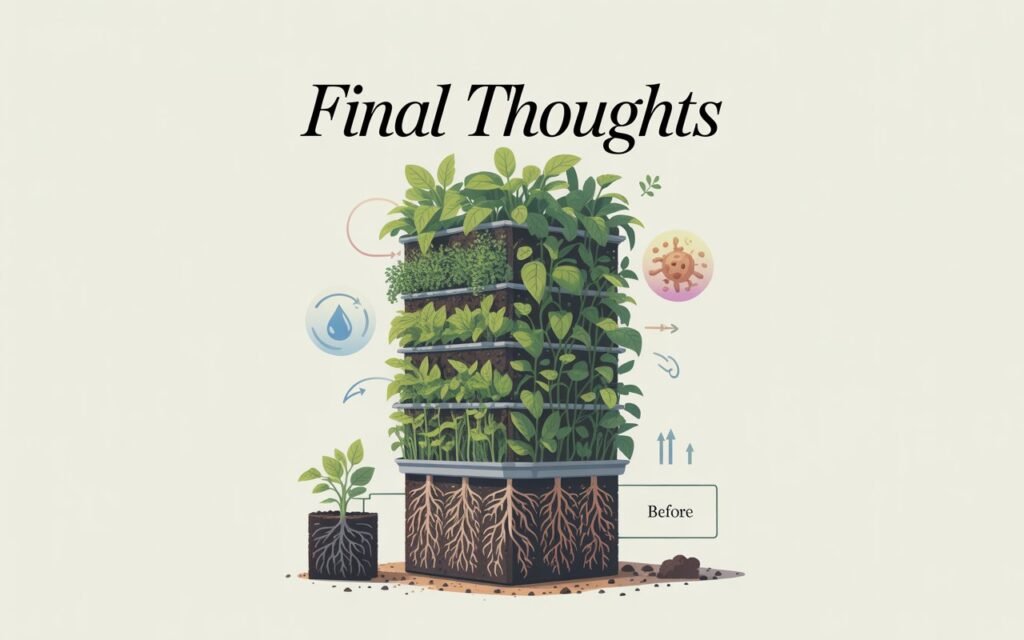
At the end of the day, the “best” garden depends on your goals:
For low cost and sustainability: Go with a Green Façade.
For a stunning design statement: Go with a Living Wall.
For growing your own food: Go Soil-Less.
For air quality and easy indoor care: Go with a Moss Wall.
Vertical gardening is no longer just a fancy way to decorate a wall; it’s a tool for making our cities more livable and resilient. As our buildings keep rising, our gardens are rising with them—one wall at a time.