
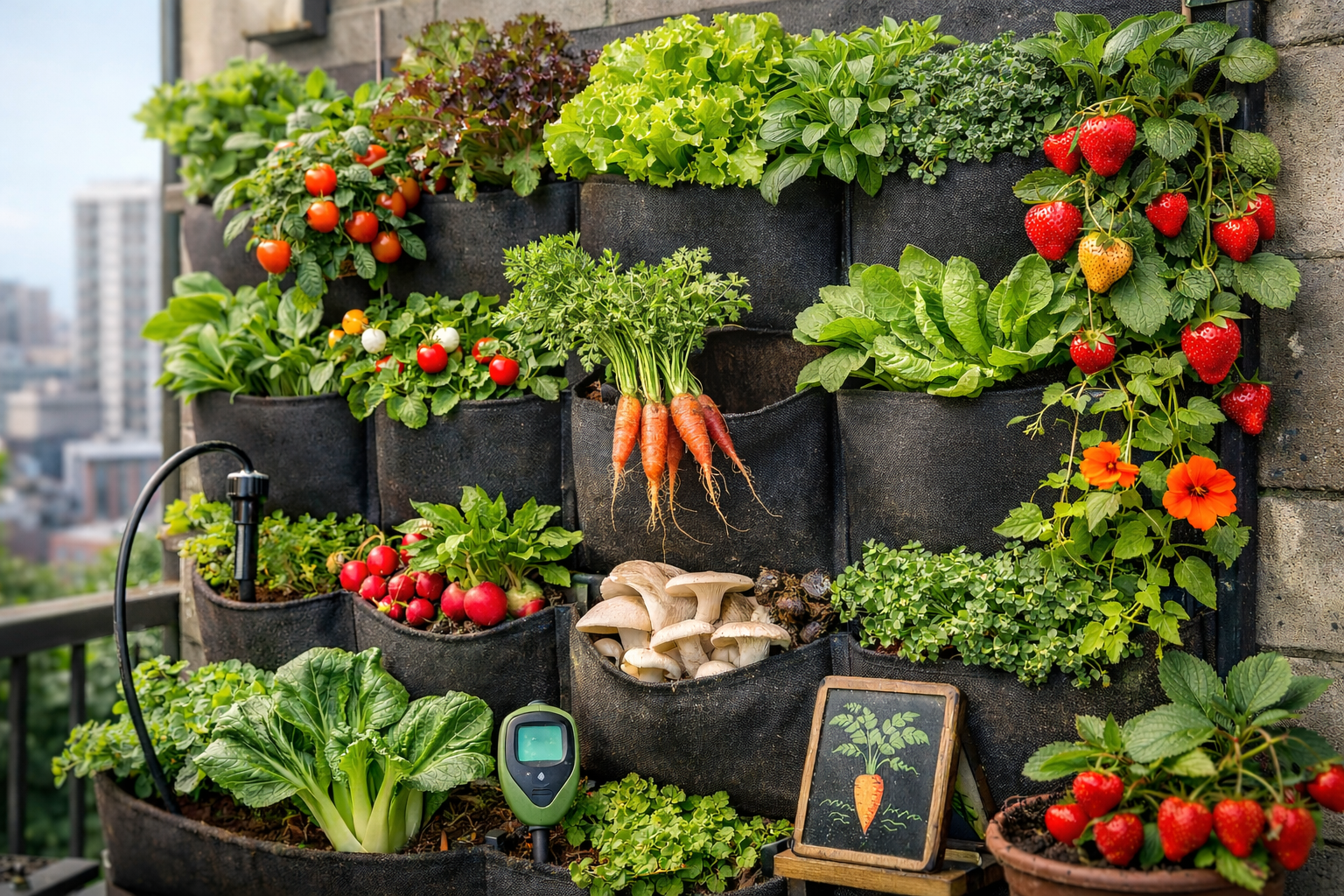
If you are new to the world of vertical gardening, you might be looking at a bare wall or a fence and wondering how on earth a handful of felt pockets can actually grow dinner. I remember when I first started exploring vertical gardening; it felt a bit like magic, and honestly, a little bit like a science experiment gone right. There is something so satisfying about walking out to a wall of green and clipping fresh ingredients for your lunch.
The truth is, vertical gardening is the ultimate “space hack” for anyone with a small balcony, a sunny patio, or even just a narrow strip of backyard. But here is the secret: not every vegetable wants to live in a pocket. If you try to grow a giant pumpkin or a heavy zucchini in a wall planter, you’re going to have a frustrating season. To help you get off to a flying start with your vertical gardening journey, I want to share the plants that truly thrive in these unique setups.
Why Pocket Planters are Perfect for Vertical Gardening
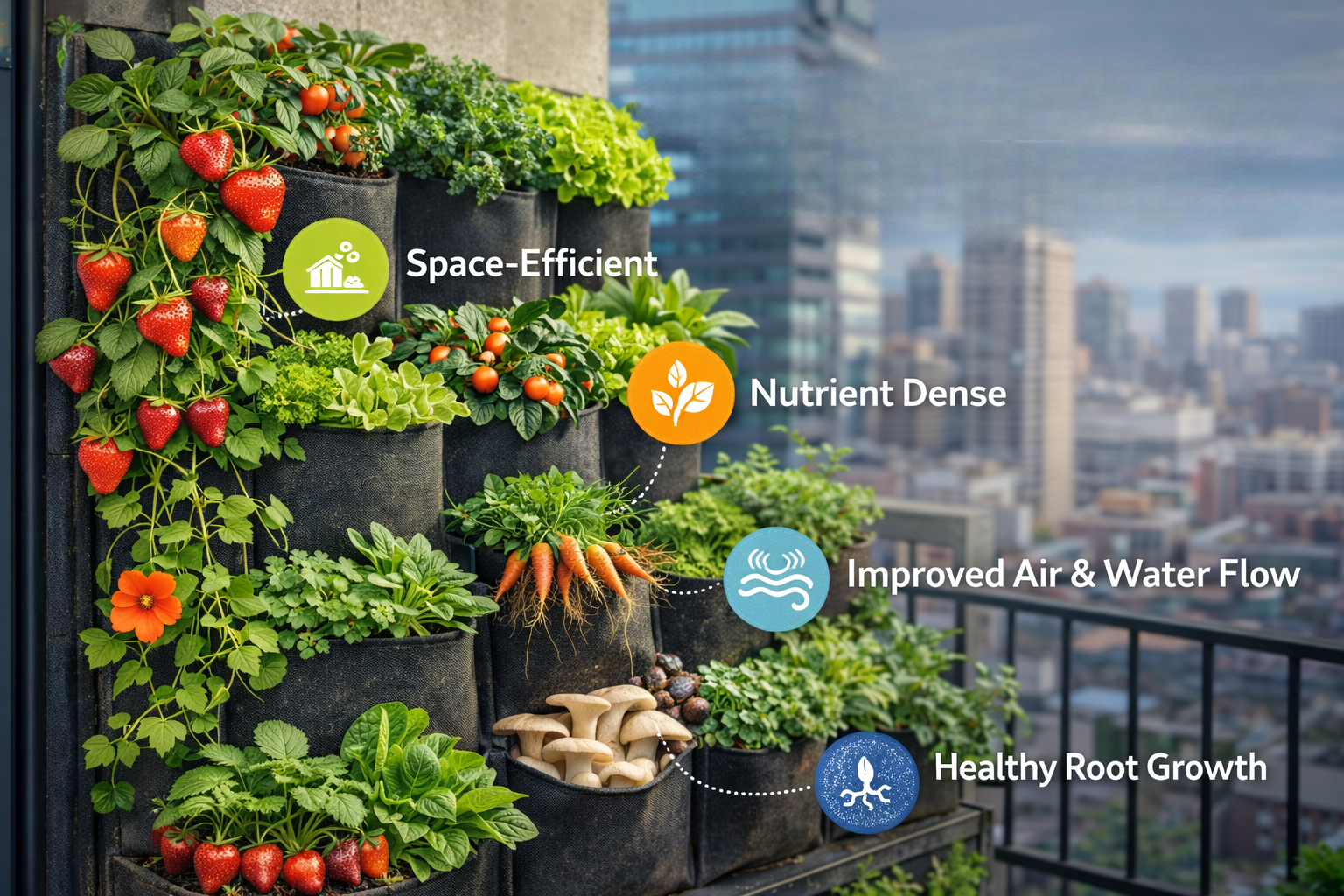
Before we dig into the specific plants, let’s talk about the “home” they’ll be living in. Pocket planters—usually made of breathable felt or heavy-duty plastic—are wonderful because they let the roots breathe and prevent them from getting “root-bound” or circling. This airflow is one of the biggest advantages of vertical gardening in fabric pockets. However, because these pockets are usually small and shallow, the soil can dry out faster than a traditional garden bed.
By choosing the right crops, your vertical gardening project will look lush, stay healthy, and most importantly, give you something delicious to eat without requiring a massive backyard.
The Superstars: Leafy Greens
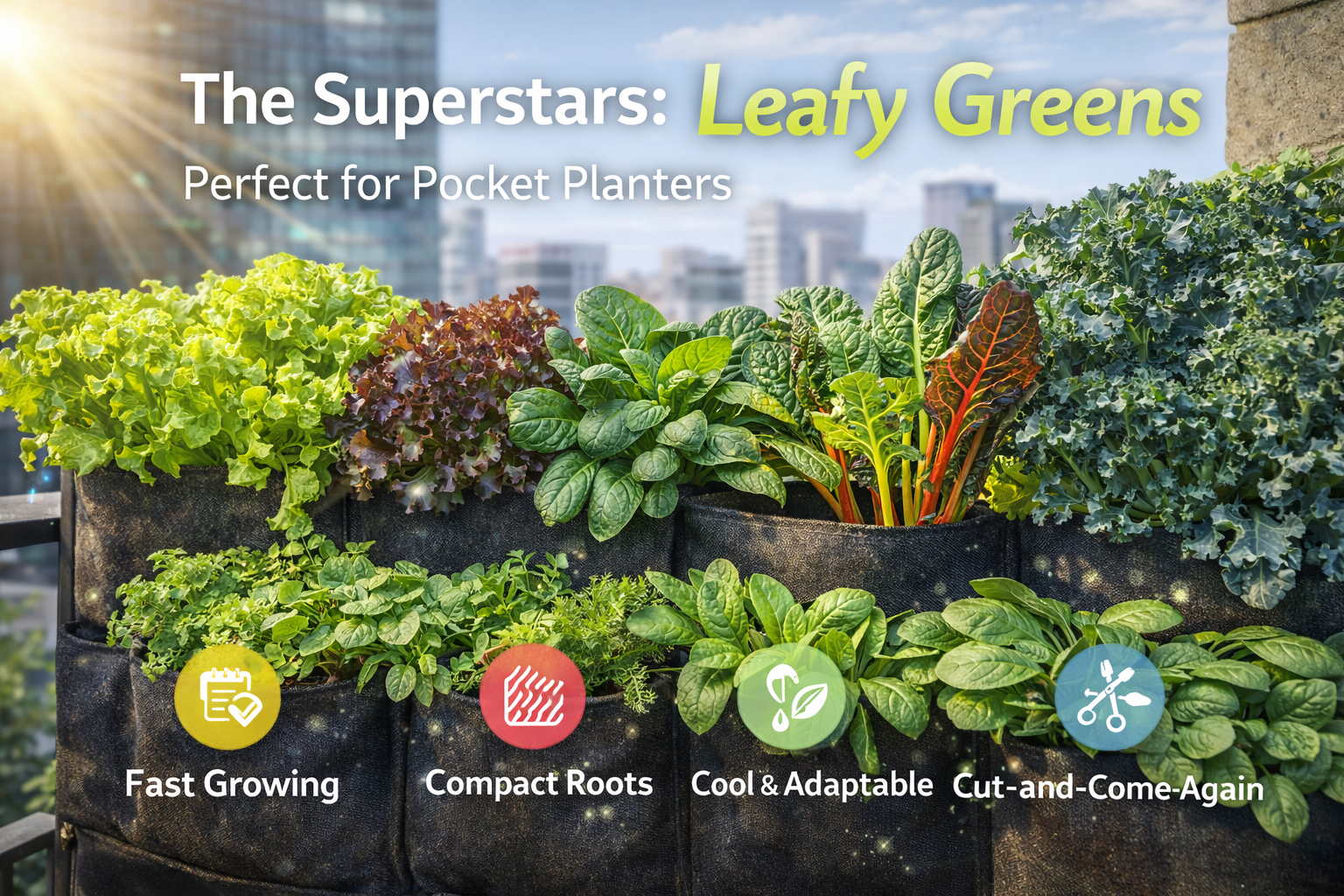
If there is one group of plants born for the vertical gardening lifestyle, it’s leafy greens. Most greens have shallow root systems, which means they don’t need a deep pot to be happy. Lettuce is the king of this category; whether you prefer Romaine, Butterhead, or Loose-leaf varieties, they are incredibly forgiving. You can simply pluck a few outer leaves for a sandwich and let the rest of the plant keep growing, a method we gardeners call “cut and come again.”
Spinach is another fantastic choice for a vertical gardening setup, especially for those cool spring or autumn days. It stays compact and tucked away perfectly inside a pocket. If you want to add a bit of visual flair to your wall, try planting Swiss Chard. The bright red, yellow, and neon pink stems make your garden look like a living work of art while providing a steady harvest of earthy greens.
Herbs: Big Flavor in Small Spaces
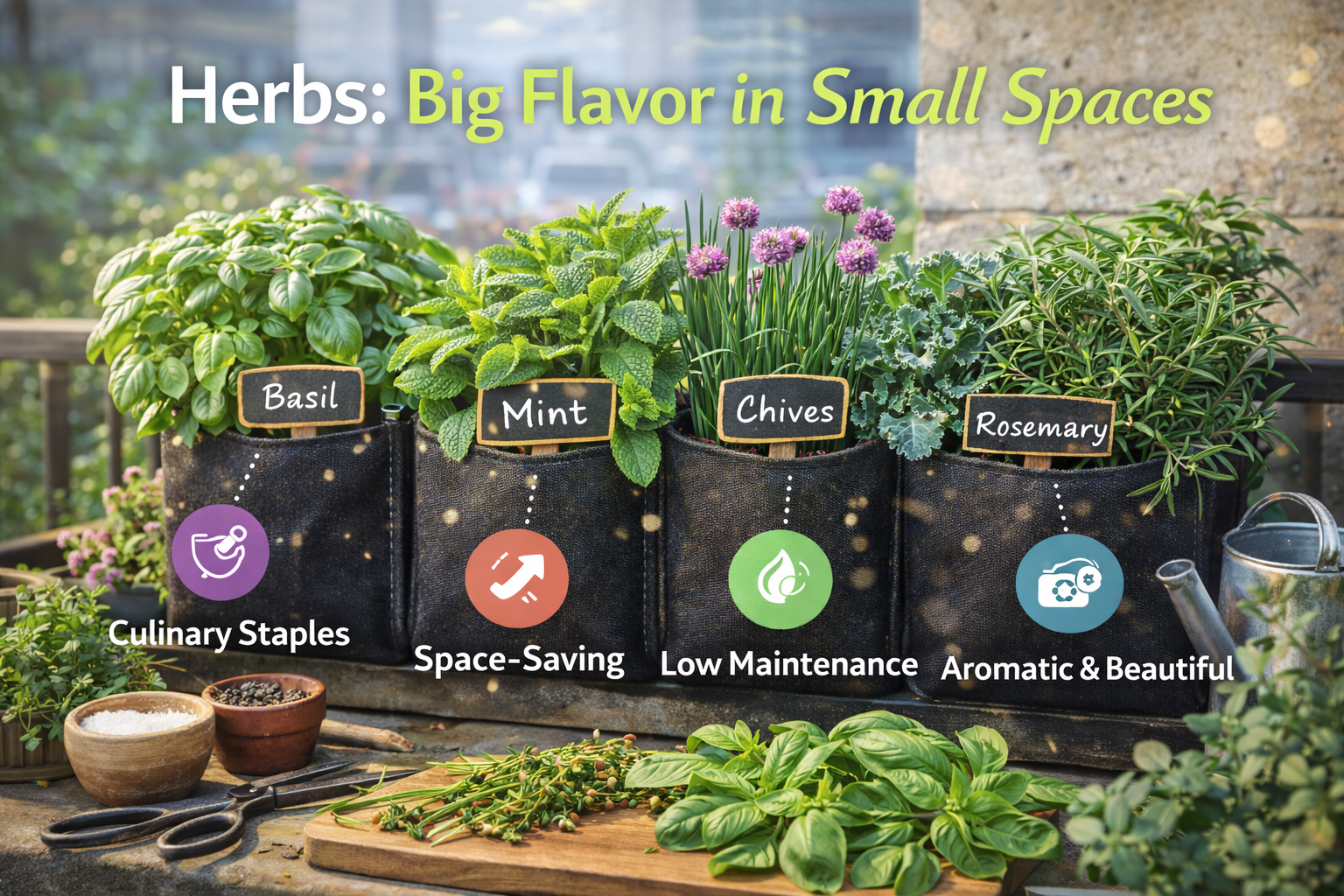
Herbs are a beginner’s best friend in vertical gardening because they are generally tough and don’t require much fuss. Basil is a sun-lover that grows beautifully in pockets, though you’ll want to pinch off the top leaves regularly to keep it from getting too tall and “leggy.”
Mint is a plant that normally acts like a bully in a traditional garden because its roots spread everywhere and take over. However, in a pocket planter, the mint is “contained” and behaves itself, making it much easier to manage within a vertical gardening system. I also highly recommend Chives; they grow in neat little tufts like grass and produce beautiful purple flowers that are actually edible—they look great tossed into a fresh salad!
Unexpected Wins: Compact Root Veggies
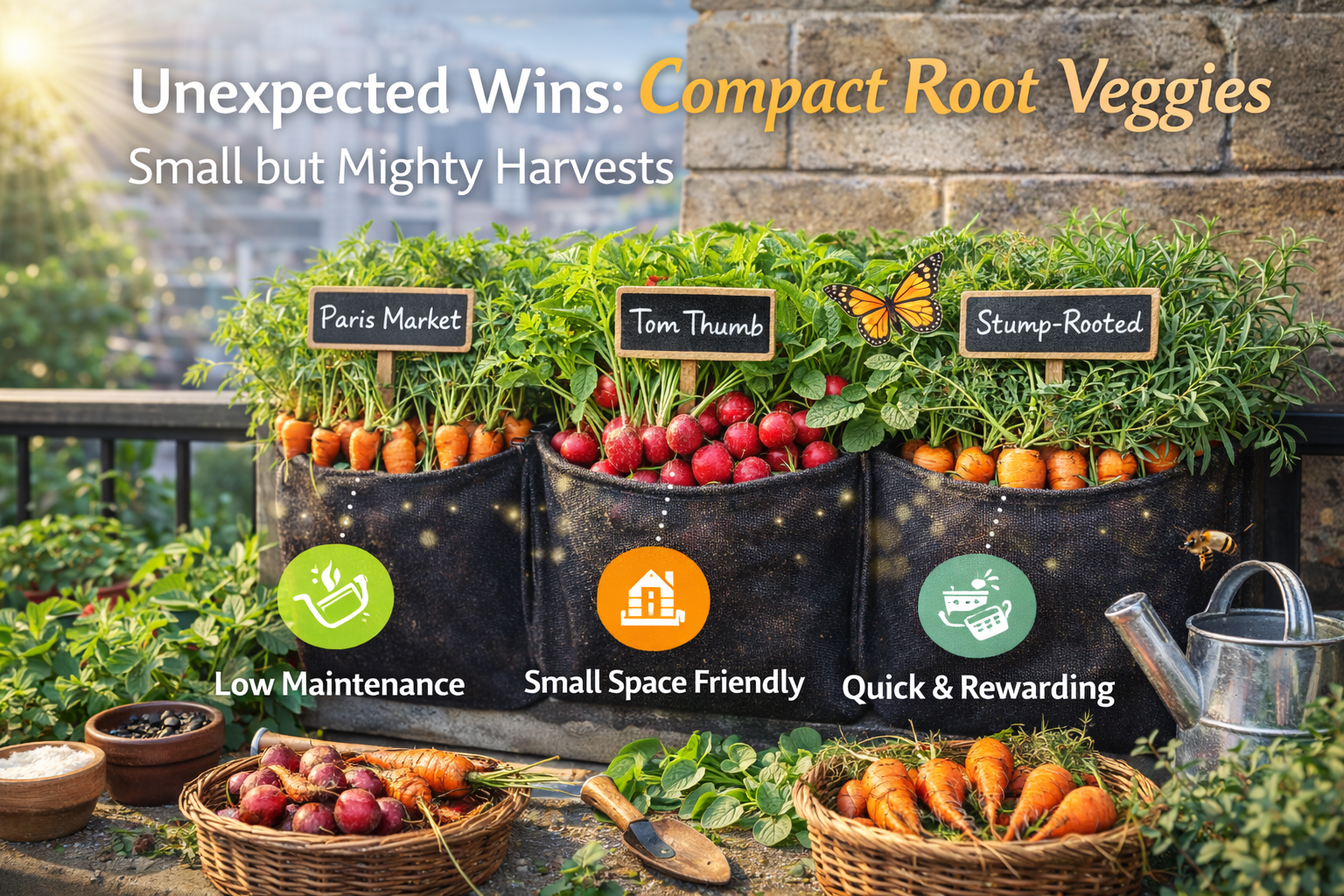
You might think root vegetables are off-limits for vertical gardening because they grow underground, but as long as you choose the right varieties, they work surprisingly well. Radishes are the “sprinters” of the garden world. They grow incredibly fast—sometimes in just 25 days—and they don’t need much depth at all, making them ideal for the top rows of your garden.
When it comes to carrots, you just have to be picky about the variety to succeed with vertical gardening. Instead of the long, tapering carrots you see in the store, look for “Chantenay” or “Thumbelina” seeds. These varieties are short and stout, so they won’t hit the bottom of the pocket too quickly, allowing them to develop that sweet, crunchy flavor we all love.
Adding Color with Edible Flowers
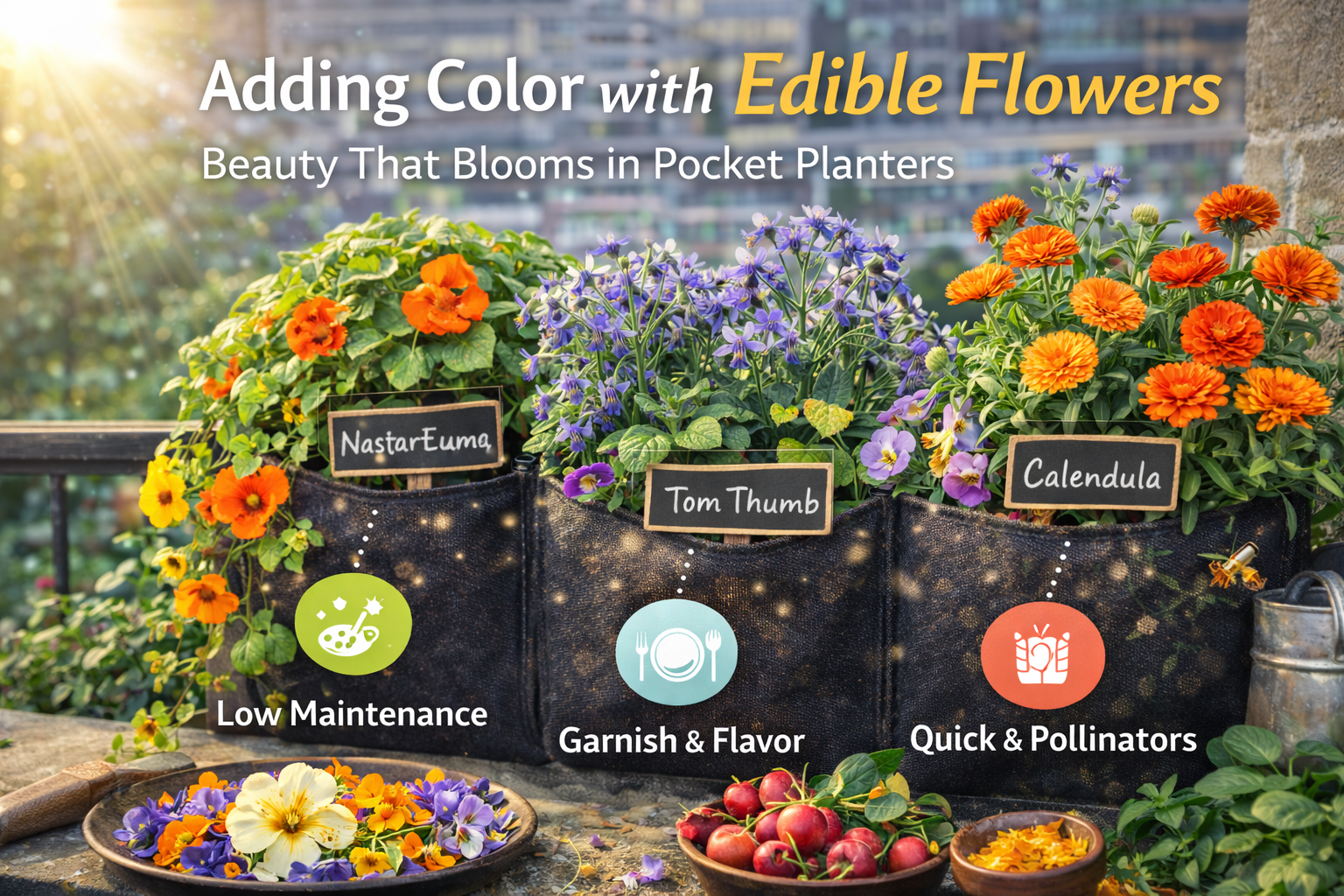
A truly successful vertical gardening setup isn’t just about the veggies; it’s about the ecosystem. Adding edible flowers like Nasturtiums or Pansies to your pockets can do wonders. Nasturtiums have a wonderful peppery taste, and they tend to “trail” downwards, covering the pockets and giving your wall a waterfall effect of orange and red blooms. Not only do they look stunning, but they also help distract pests from your precious lettuce and spinach.
Fruiting Favorites: Tomatoes and Strawberries
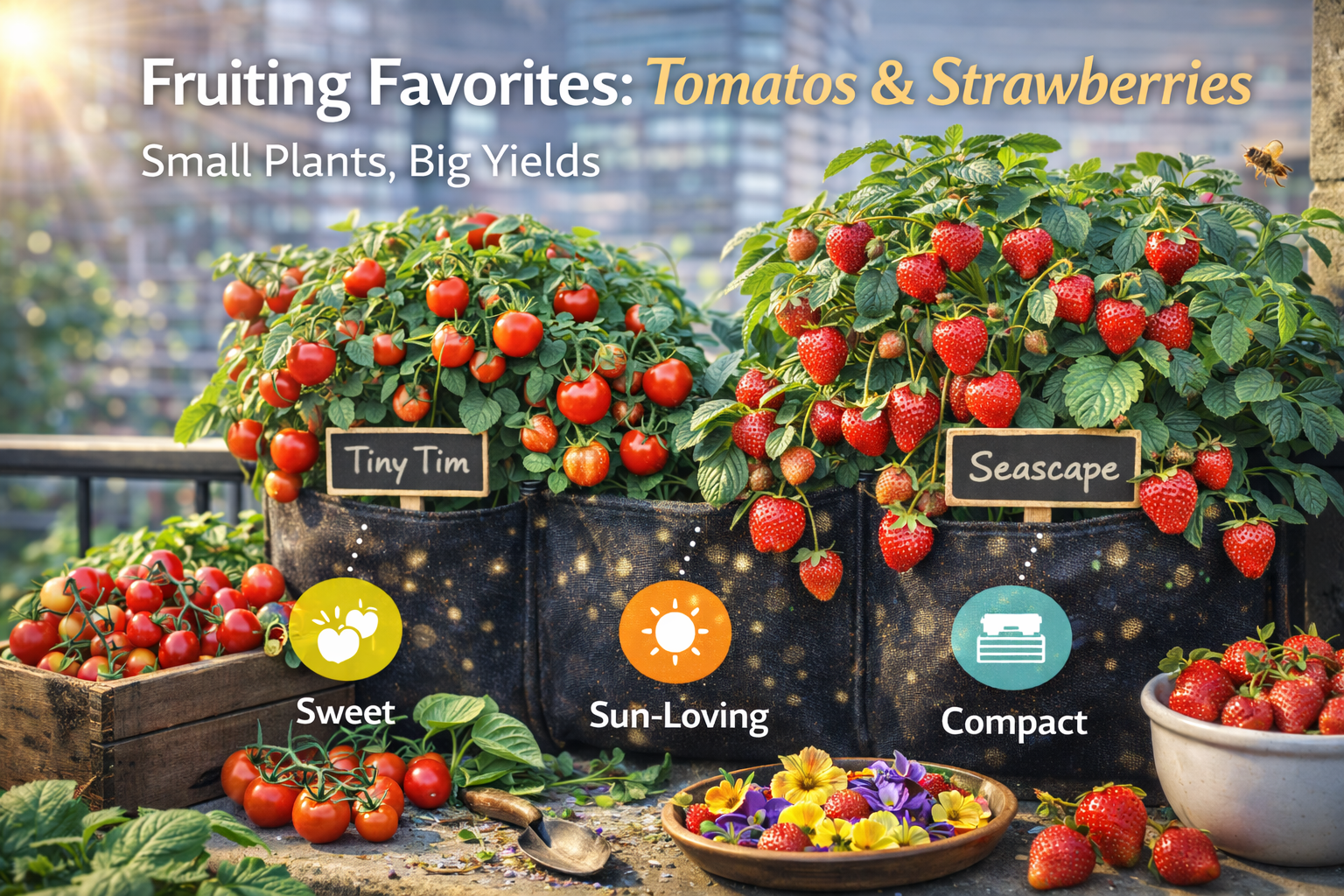
If your vertical gardening spot gets a lot of direct sunlight—at least 6 to 8 hours a day—you can definitely try some “hanging” treats. For tomatoes, look for varieties labeled as “tumbling” or “pendulous.” Unlike standard tomatoes that need heavy cages and stakes, these varieties are specifically bred for vertical gardening to spill out over the edge of the pocket.
Strawberries are perhaps the most classic choice for pocket planters. They love the excellent drainage that felt pockets provide. Plus, keeping the berries off the ground keeps them away from slugs and keeps the fruit clean and easy to pick. There is nothing quite like reaching out your back door to grab a sun-warmed strawberry from your very own vertical gardening wall.
Vital Tips for Vertical Gardening Success
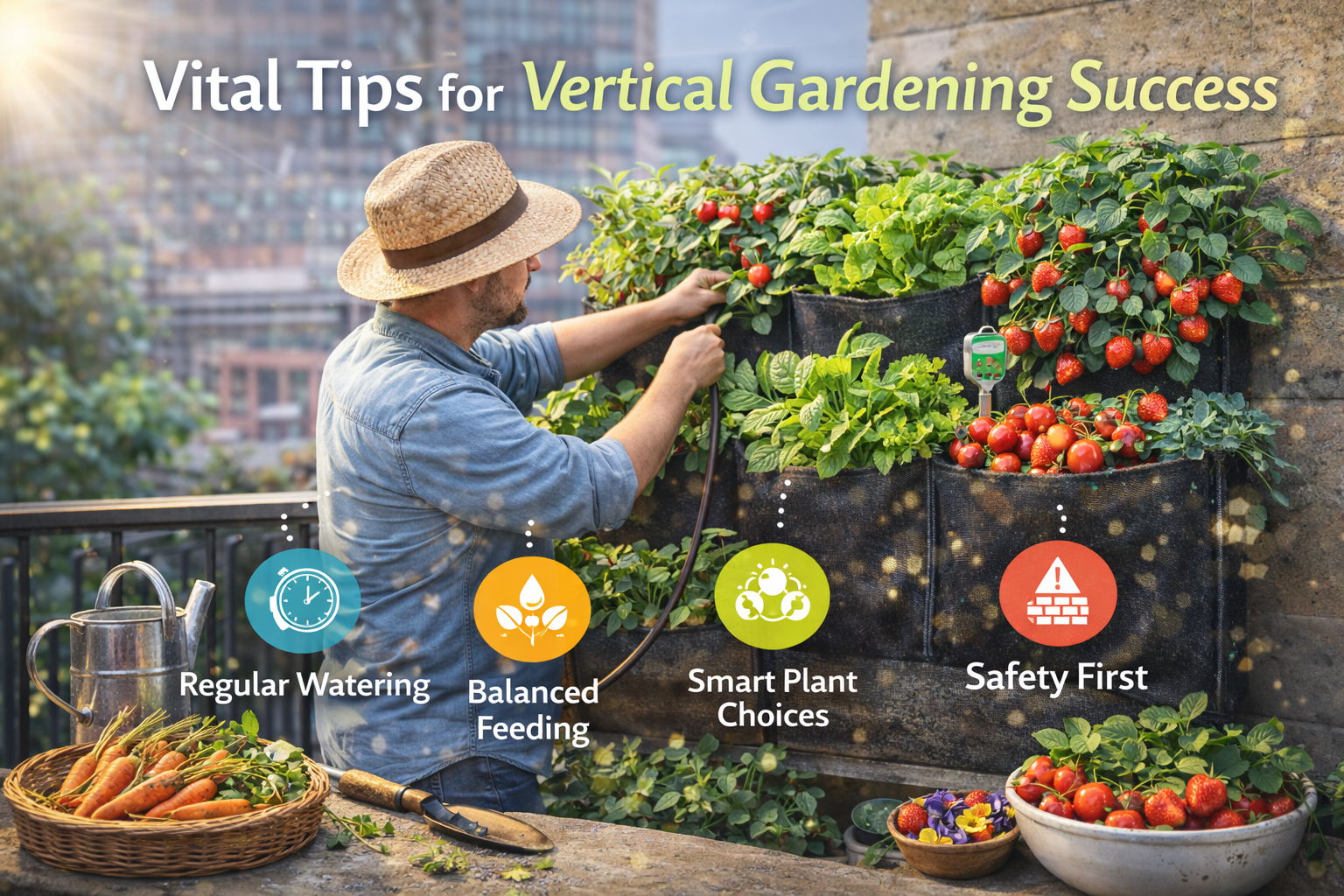
To keep your pocket garden happy, you have to stay on top of the watering. Because the pockets are exposed to the air on all sides, they dry out much faster than big pots sitting on the ground. I always suggest checking the soil with your finger every morning; if it feels dry, give it a good soak.
Since there isn’t a lot of soil in a small pocket, the plants will use up the available nutrients pretty quickly. I like to use a liquid seaweed or organic fertilizer every two weeks to keep the growth steady in my vertical gardening projects. Also, remember to place your sun-loving plants like tomatoes and basil at the very top of your wall, while keeping the shade-lovers like lettuce toward the bottom where they can stay a bit cooler.
Start Small and Enjoy the Process
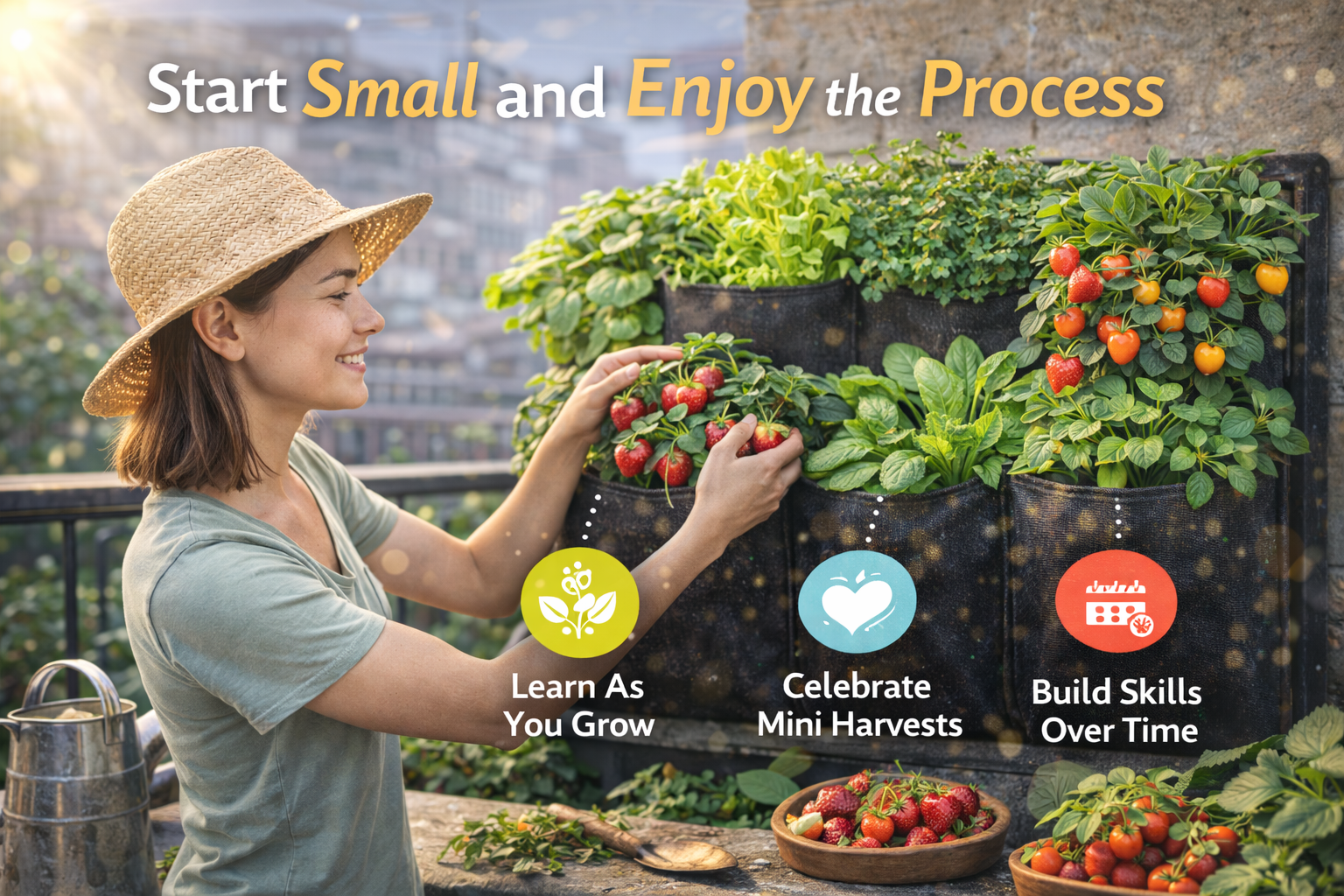
Starting a vertical gardening journey is all about learning what works for your specific home and climate. Don’t be afraid to move things around or try a new plant if one doesn’t work out. Every “failed” plant is just a lesson for next season. Pocket planters turn a boring wall into a living grocery store, so grab some seeds, get your hands a little dirty, and enjoy the view!