
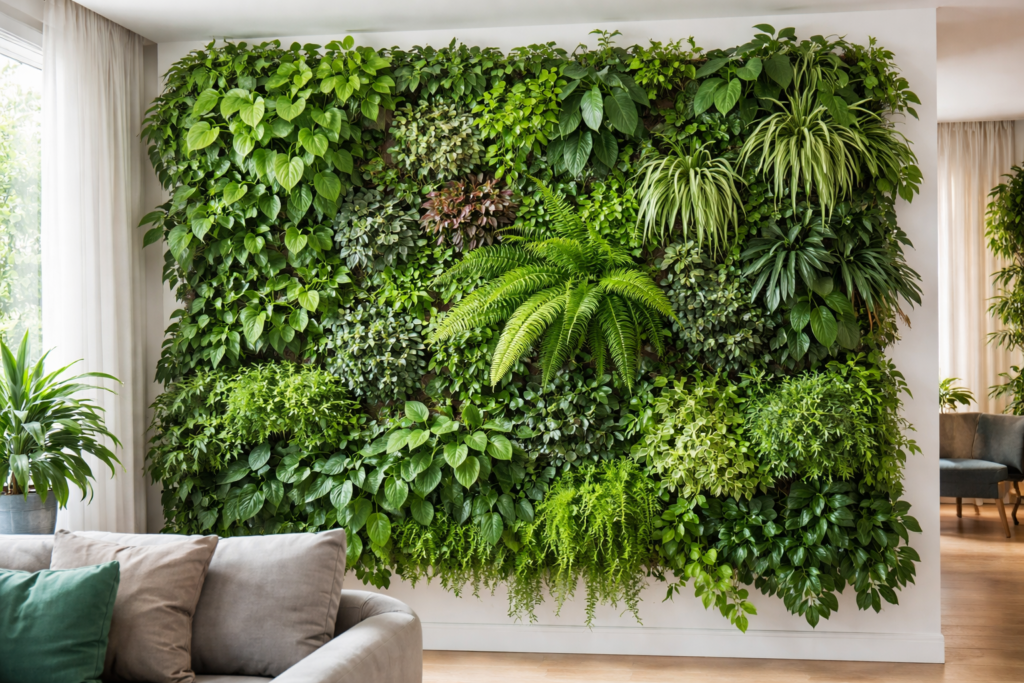
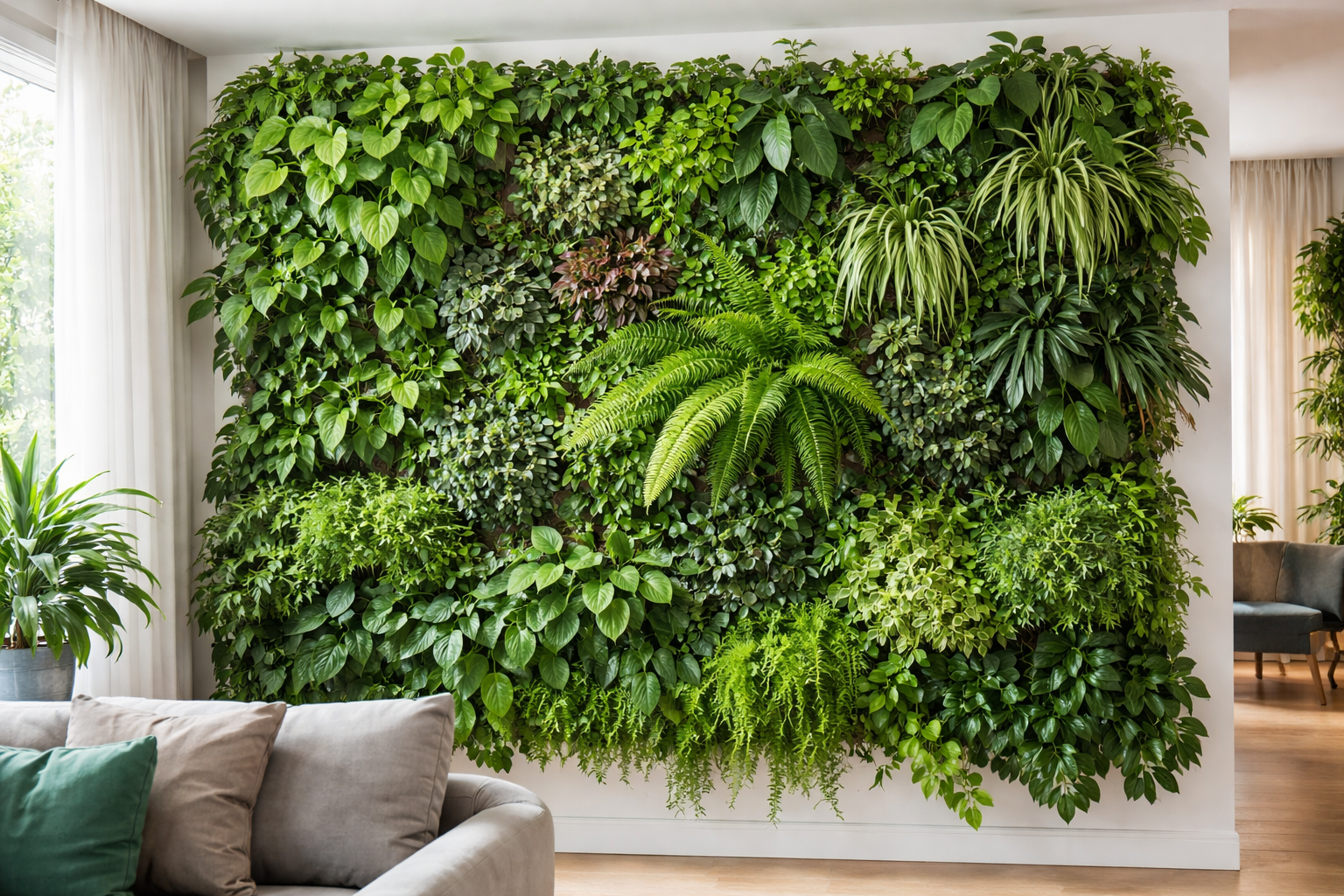
If you’ve ever seen a lush, green wall inside a sleek office or a cozy home and thought, “I want that,” you’re not alone. Bringing a garden up onto your walls—a “living wall”—is one of the most rewarding ways to transform a room. It’s like hanging a piece of living art that also happens to clean your air.
However, if you are new to vertical gardening, it can feel a bit intimidating. Unlike a traditional garden in the ground, a living wall has to deal with gravity, unique lighting challenges, and specific watering needs. But don’t worry! Once you understand the basics of how these systems work and which plants are the “superstars” of the vertical world, you’ll be well on your way to success.
Why Your Plant Choice Matters
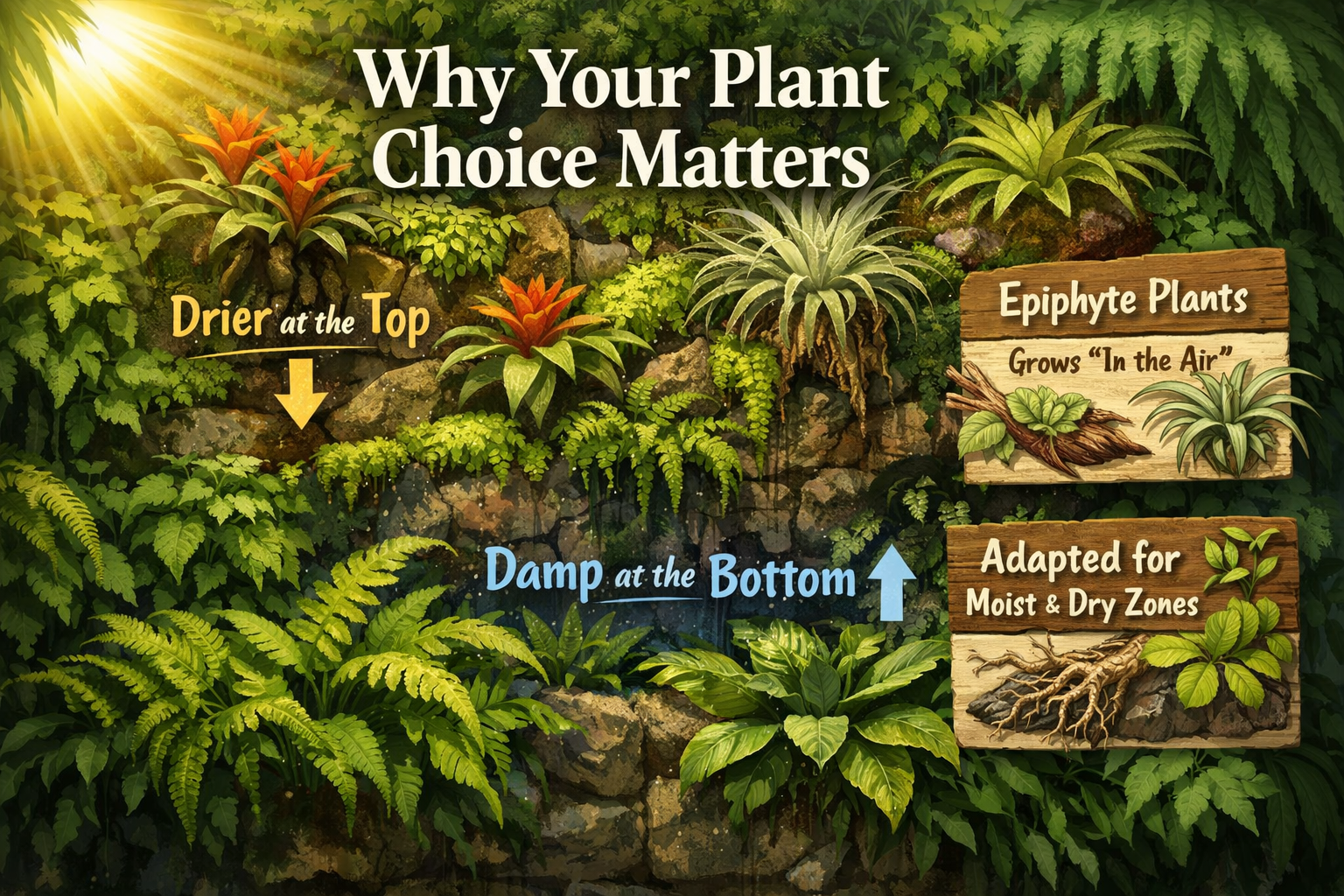
In a standard garden, water stays in the soil and moves slowly. In a living wall, gravity is always pulling that moisture downward. This means the top of your wall will naturally be drier, while the bottom might stay a bit damp. Because of this, we need to pick plants that are “built” for these conditions.
The best plants for a living wall are often epiphytes. These are plants that, in nature, grow on tree branches or rocks rather than in deep soil. They are used to having their roots “in the air” and are incredibly resilient.
The Top Picks for Your Living Wall
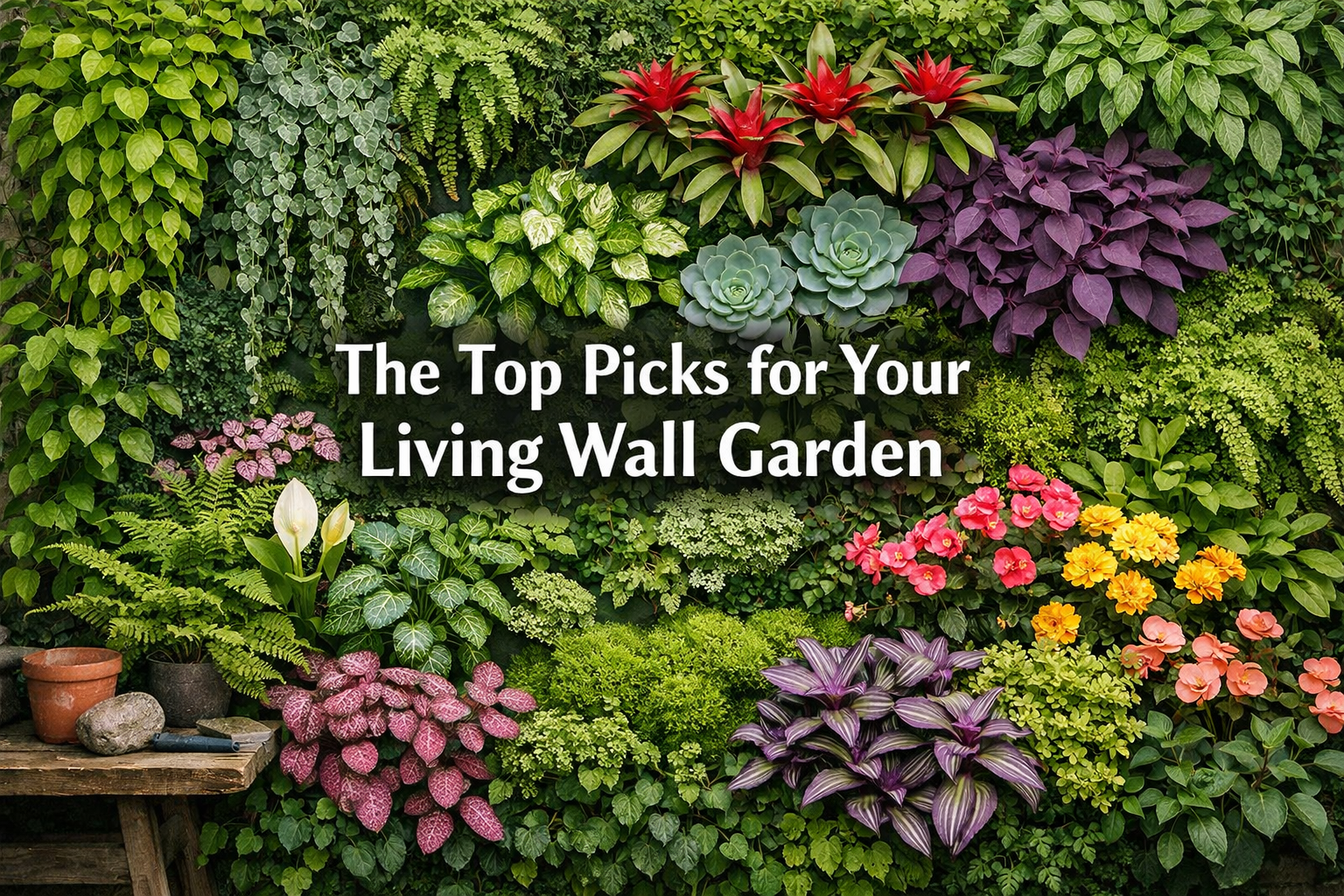
When you’re starting out, you want plants that are hardy and forgiving. Here are some of the absolute best varieties to consider for your first installation:
Pothos (Epipremnum): Often called the “King of the Living Wall,” Pothos is nearly indestructible. It grows quickly, trails beautifully, and can handle lower light levels.
Heartleaf Philodendron: Similar to Pothos, these vines love to climb and trail. They have a lovely “cascading” look that helps hide the structure of your wall.
Ferns (like the Bird’s Nest or Boston Fern): These are perfect for the lower, damper sections of your living wall. They love the extra humidity and provide a soft, feathery texture.
Spider Plants: These are great because they produce “babies” on long stems that dangle down, filling in gaps in your garden very quickly.
Designing Your “Tiers” for Success

To make your living wall thrive long-term, it helps to think in “tiers.” Since the environment changes from the top of the wall to the bottom, you can place your plants where they will be happiest.
The Top Tier (The Sun Lovers)
The top of your wall usually gets the most light and dries out the fastest. This is the perfect spot for hardy, drought-tolerant plants like Pothos or even some woody herbs like Thyme if you have a very bright spot.
The Middle Tier (The Lush Zone)
The middle of the wall stays more consistently moist. This is where you can place your “showstopper” plants like Peace Lilies or clumping Philodendrons. They’ll enjoy the stable environment and reward you with deep green foliage.
The Lower Tier (The Damp Zone)
As water trickles down, the bottom of the living wall stays the wettest. This is the natural home for ferns and mosses. These plants love “wet feet” and won’t mind the slightly lower light caused by the plants hanging above them.
Light: The Secret Ingredient
Before you buy your plants, take a look at your space. Most indoor living wall plants need a good amount of light to stay healthy. If your room is a bit dark, you might want to consider adding a full-spectrum LED light. Think of it as “artificial sunshine” for your plants. A good rule of thumb for beginners is to aim for about 12 hours of light followed by a period of darkness so the plants can “rest” and breathe.
A Note on Maintenance
While a living wall is beautiful, it isn’t “set it and forget it.” Think of it like looking after a group of pets—they need a little bit of love every week. Make sure to check that your watering system isn’t clogged and give your plants a little trim every now and then. If you notice one plant growing way faster than the others (the “Jumanji effect”), don’t be afraid to prune it back to keep the wall looking balanced.
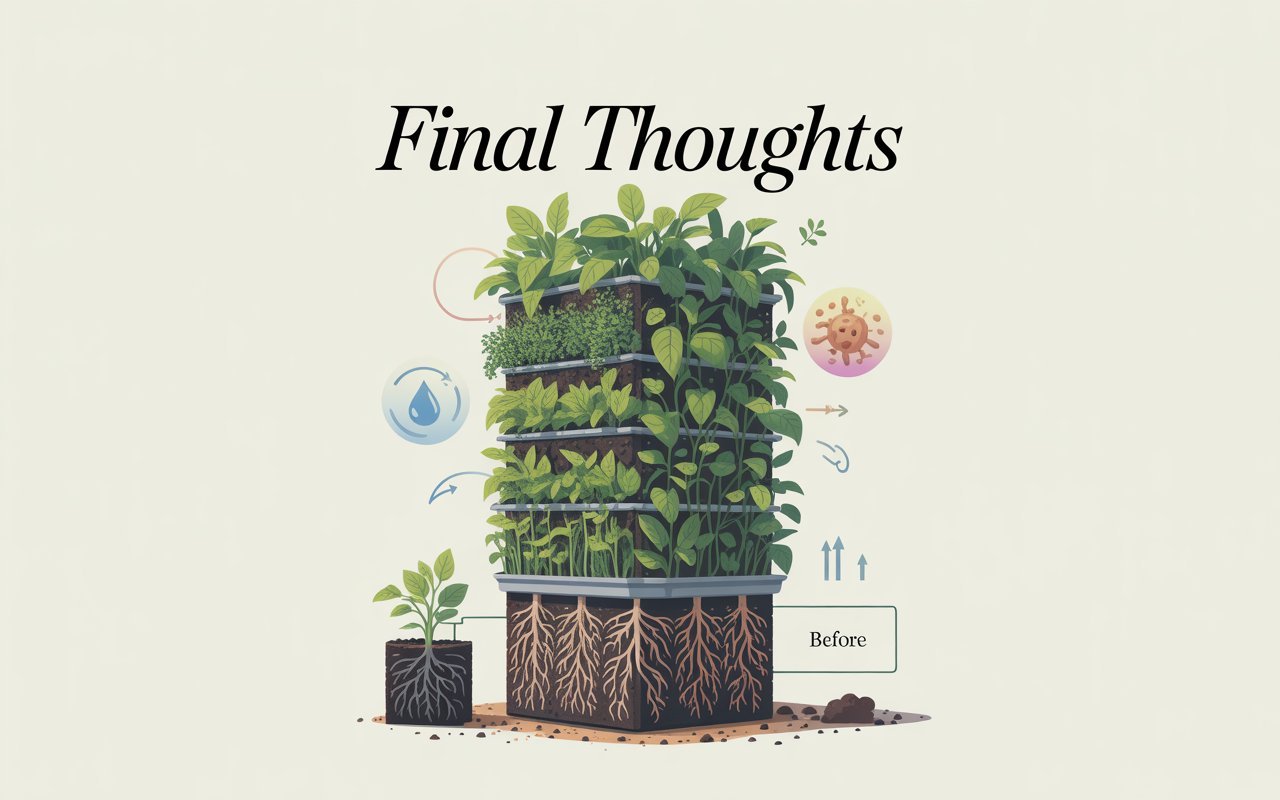
Starting your first living wall is an exciting journey. By choosing the right plants—like hardy Pothos and moisture-loving ferns—and placing them in the right tiers, you’re setting yourself up for a stunning vertical garden that will grow with you for years to come. Just remember to start simple, watch how your plants react to their new home, and enjoy the breath of fresh air they bring into your life!