
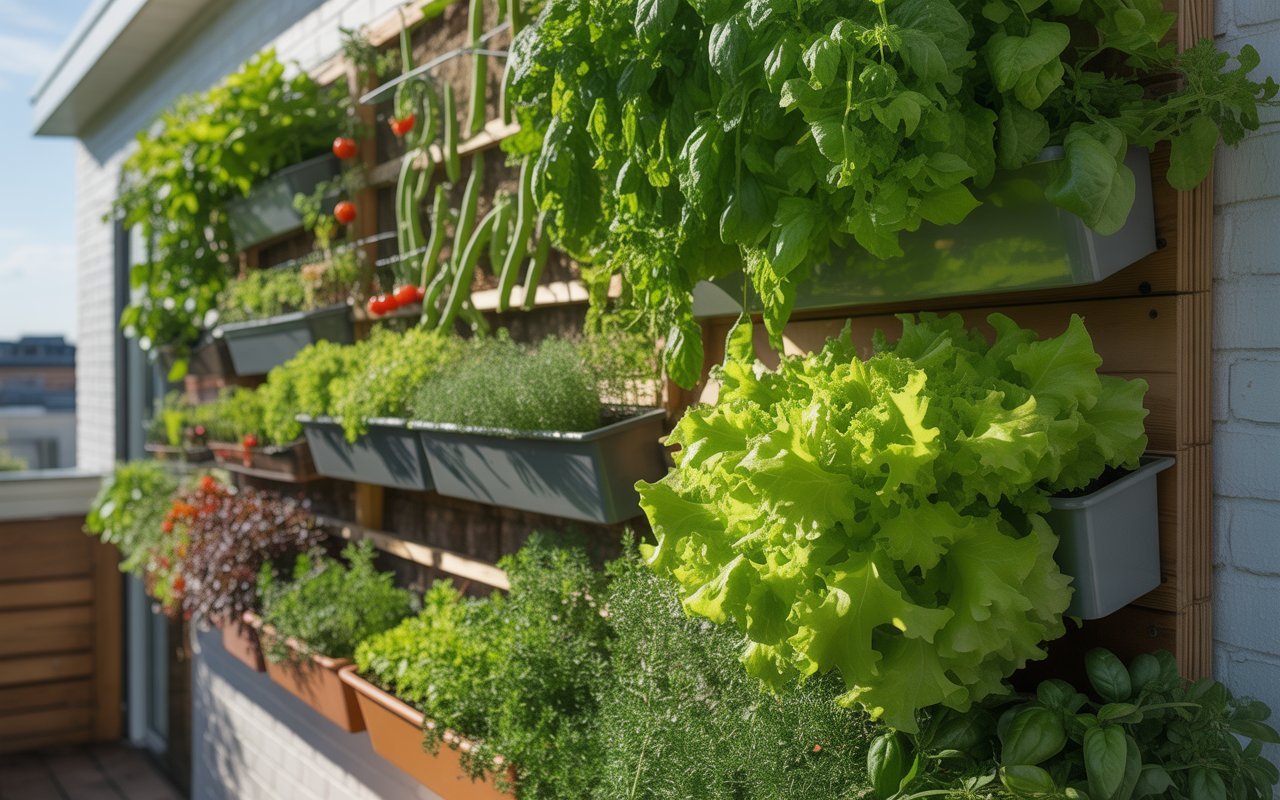
If you’ve ever looked at a tiny balcony or a sun-drenched wall and thought, “I wish I could grow a salad there,” I have some good news for you. You can.
But as someone who has spent years getting my hands dirty—and occasionally seeing a DIY trellis collapse under the weight of wet soil—I can tell you that vertical gardening is a bit different than growing in the ground. It’s not just about picking seeds; it’s about understanding the “physics” of your wall and how roots like to behave when they’re hanging in the air.
Let’s skip the “Pinterest-perfect” fluff and get into what actually works when you’re farming on the move.
1. The “Bush” vs. “Vine” Debate: Choosing Your Champions
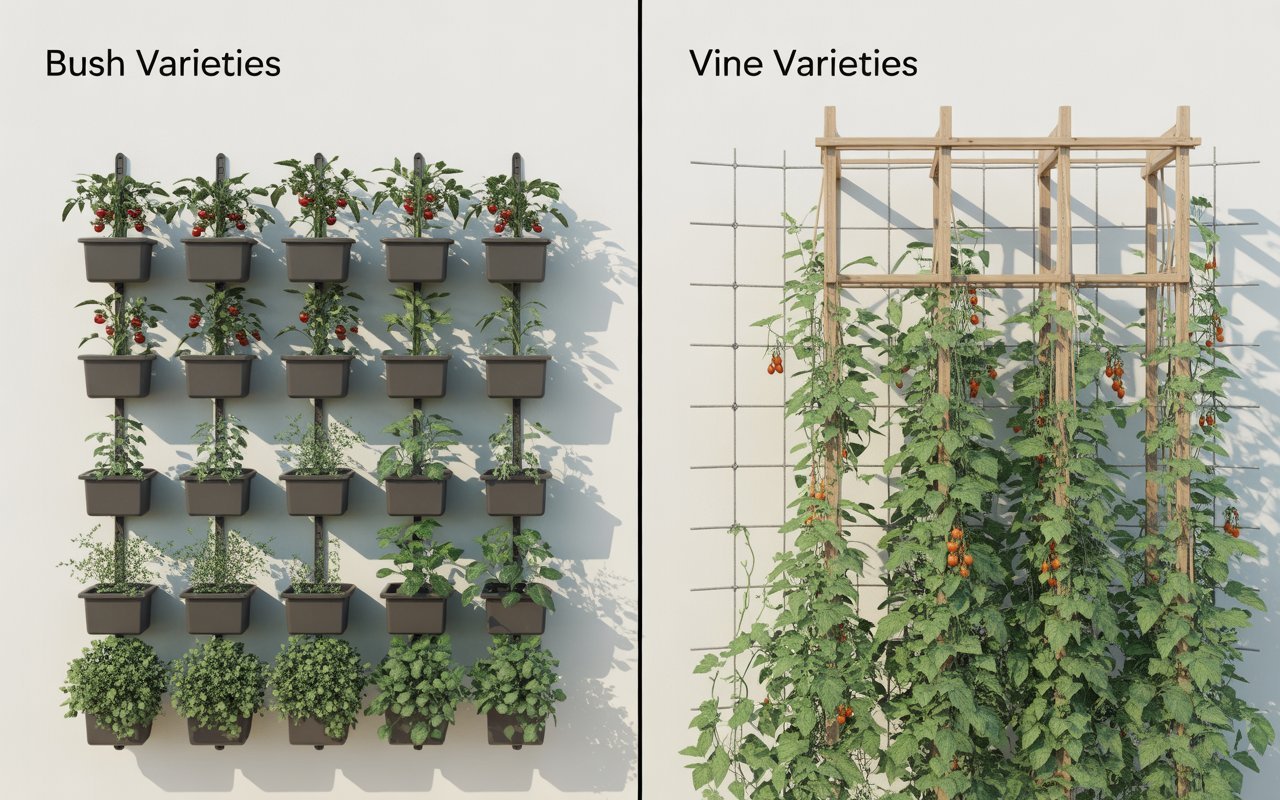
The biggest mistake I see beginners make is picking the wrong variety of a vegetable. In the world of vertical gardening, we talk a lot about Determinate vs. Indeterminate plants.
The “Bush” Logic (Determinate)
If you have a modular wall with small pockets or hanging pots, look for “bush” varieties. These plants (like Patio Princess tomatoes or bush beans) grow to a set height and then stop. They are predictable, they don’t get “unruly,” and they won’t pull your shelving unit off the wall.
Best for: Small pockets, IKEA-style rail systems, and tiered planters.
The “Vining” Logic (Indeterminate)
If you have a sturdy trellis or a cattle panel, you want the climbers. Indeterminate tomatoes and pole beans will keep growing until the first frost. They can reach 10 to 14 feet!
Pro Tip: These are “greedy” plants. They need deep soil (at least 12–24 inches) and constant feeding because they’re working so hard to climb.
2. Top Picks for Your Vertical Wall
Based on how plants handle gravity and root space, here are my top recommendations:
Lettuce and Leafy Greens: These are the kings of vertical gardening. They have shallow roots, so they don’t mind smaller containers. Plus, in a vertical stack, the water from the top row naturally trickles down to the bottom, keeping them perfectly hydrated.
Strawberries: These love being high up. It keeps the fruit off the ground (away from slugs!) and lets them soak up the maximum amount of sunlight.
Scarlet Runner Beans: If you want something “impossible to kill,” this is it. They climb beautifully and provide nitrogen to the soil, which helps other plants grow.
Herbs (Basil, Mint, Chives): Most herbs are happy in vertical systems. Try planting Basil near your tomatoes—they thrive in the shade of the tomato vines and love the same watering schedule.
3. Don’t Ignore the “Hidden” Physics
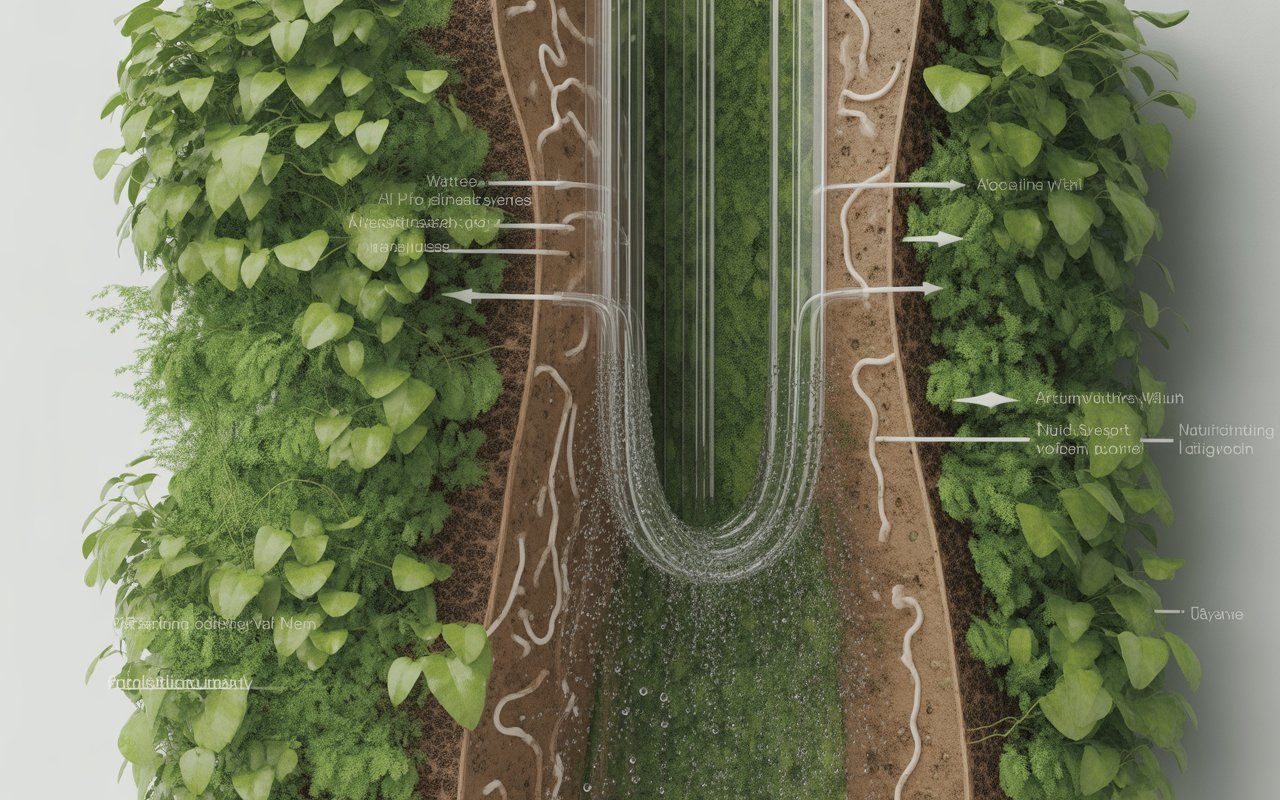
Growing up instead of out means you have to think like an engineer.
The Weight of Water
A planter that feels light when the soil is dry becomes a heavy beast once it’s saturated. Before you hang a heavy wooden pallet on your fence, remember that wet soil can weigh significantly more than dry soil. If you’re worried about weight, try a “false bottom” in your deep pots—fill the bottom half with lightweight materials like air gaps or polystyrene to save your back (and your balcony).
The Root “Throttle”
Plants are smart. If their roots feel cramped (we call this being “root-bound”), they send a signal to the rest of the plant to stop growing. If you want a big harvest, you need to give the roots enough room to branch out. Think of it like a “knit”—a plant with complex, branching roots will actually hold your soil together, preventing it from washing out of the vertical pockets.
4. Keeping it Alive: Lessons from the Homestead
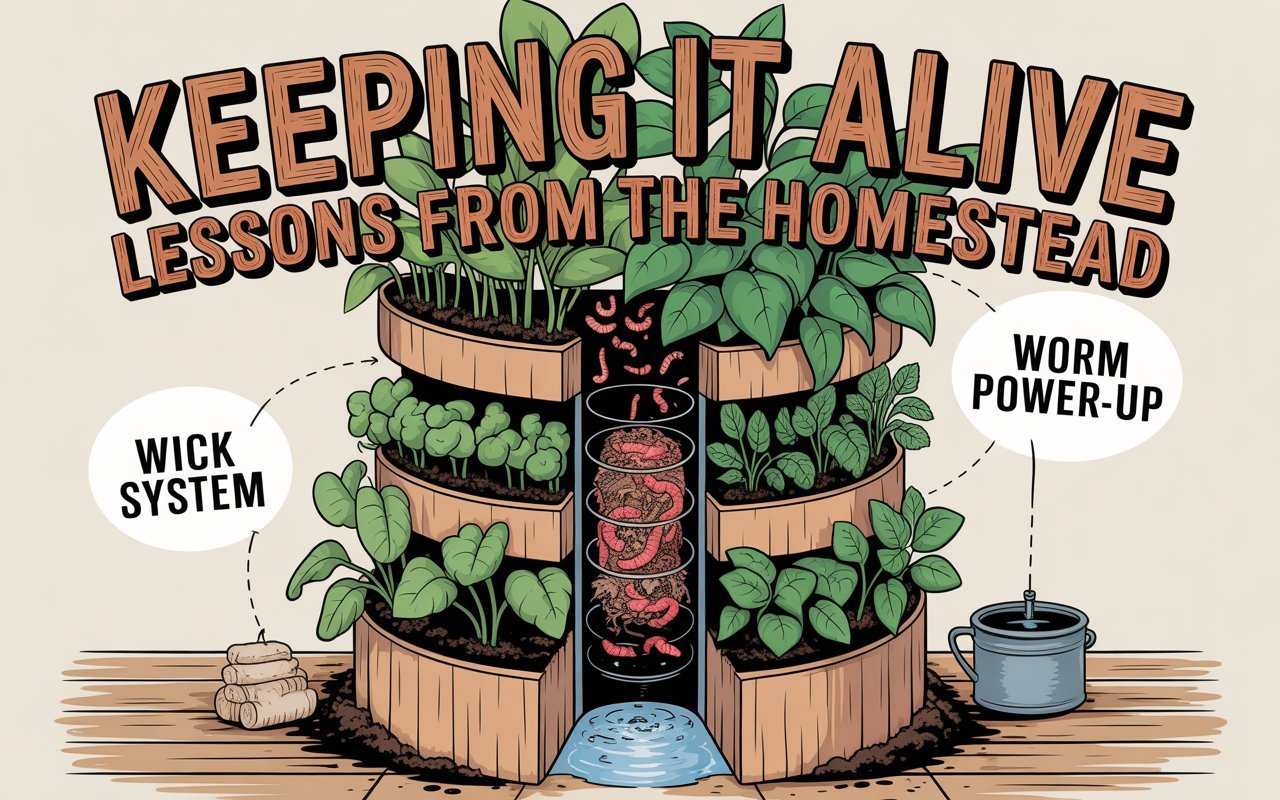
The biggest challenge with vertical gardens is that they dry out fast. Because they are exposed to more wind and air, the top rows usually turn into a desert while the bottom stays soggy.
Try a “Wick” System: Using materials that soak up water (like a cotton strip) can help pull moisture from a reservoir to the plant roots evenly.
The Worm Power-Up: Some of the best vertical towers actually have a “compost tube” in the middle. You put your kitchen scraps and some red worms in there, and the worms travel through the levels, aerating the soil and fertilizing your plants naturally. It’s a tiny, vertical ecosystem!
Final Thoughts

Vertical gardening isn’t just a “niche” hobby; it’s the future of urban food. It requires a bit of hustle—you have to monitor your pH levels and watch out for wind—but the reward of picking fresh kale or a sun-warmed tomato from your own wall is unbeatable.
Don’t worry about making it look like a magazine cover. Focus on the roots, give them enough water, and watch your garden reach for the sky. Happy planting!